
Concrete Driveway Finishes: How to Choose the Right Option
May 29, 2026
Choosing the right finish for a concrete driveway involves more than selecting the look you prefer. The surface finish affects slip resistance, durability, cleaning requirements, stain resistance and how well the driveway handles everyday vehicle traffic. For property owners comparing options for ready mixed concrete in Newcastle, the right choice should balance appearance with practical performance.
Maitland Ready Mixed Concrete helps property owners consider how different driveway finishes perform in local conditions, including wet weather, summer heat, tyre traffic and exposure to leaves, oil and dirt. This article explains the main driveway finish options, including plain concrete, broom-finished concrete, exposed aggregate and coloured concrete, while outlining what to consider before ordering a mix.
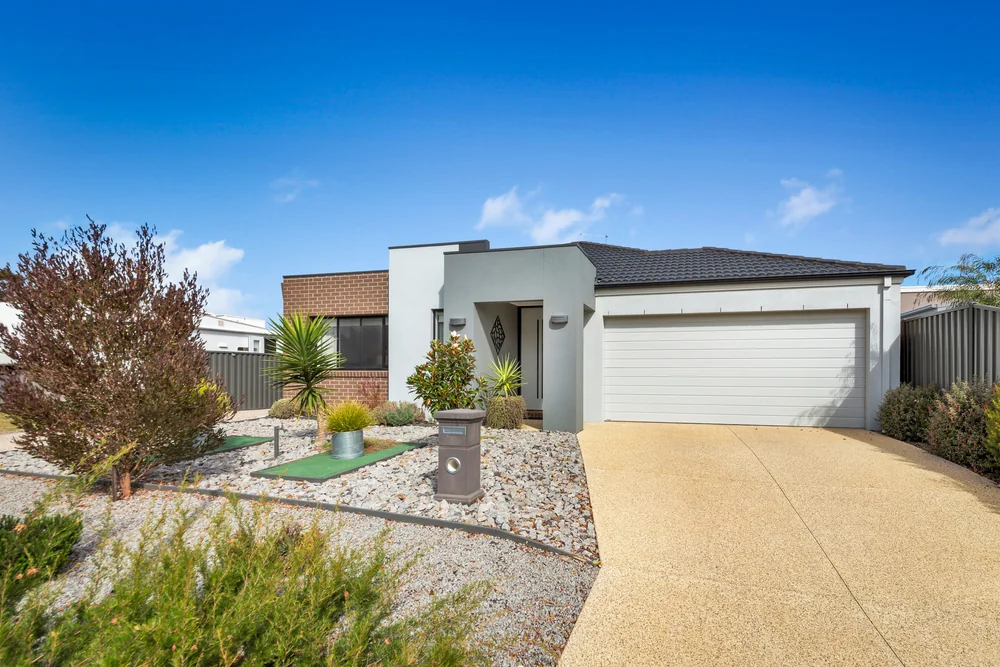
The finish on a concrete driveway is not just a cosmetic choice. It affects how the surface performs each day, how safe it is underfoot and how much maintenance it may need over time. Choosing the right finish at the start can help avoid slippery surfaces, early wear or a driveway that does not suit the style of the property.
A driveway finish influences how concrete responds to tyre traffic, oil drips, water runoff and weather exposure. It also affects how easily the surface can be cleaned, sealed or resurfaced in future. When function and appearance are considered together, the result is a driveway that looks suitable for the home and performs well in local conditions.
Finish has a direct impact on slip resistance. A smooth steel trowel finish may look neat, but it can become slippery when wet and is generally not the best choice for exposed outdoor driveways. By contrast, broom-finished concrete and exposed aggregate create texture that improves grip for vehicles, pedestrians and mobility aids.
The finish also influences how the driveway copes with regular use. Areas near garages, turning points and street entries often experience more tyre movement and surface wear. Textured finishes can handle this activity well, while sealed decorative surfaces may provide extra stain resistance from oil, leaves and general dirt. In areas that receive regular rain, traction and drainage should be considered before appearance alone.
The finish can affect how visible wear, stains and minor surface flaws become over time. Smooth finishes are often easier to clean, but they can show marks and imperfections more clearly. Textured finishes, such as broom-finished concrete or exposed aggregate, can help disguise minor staining, tyre marks and small surface changes.
Maintenance expectations should guide the finish selection:
A finish that suits the site, climate and expected use can help reduce premature wear and keep the driveway looking presentable for longer.
A driveway is one of the largest visible surfaces at the front of many homes, so the finish has a strong influence on street appeal. A carefully chosen texture and colour can connect the driveway with paths, landscaping, exterior walls, roofing and garage doors so the property feels cohesive.
Plain grey concrete with a neat broom finish offers a clean, understated look that suits many homes. Exposed aggregate or coloured concrete can add more visual interest and may complement surrounding stone, brickwork or modern façade materials. A finish that suits the architecture of the home can make the driveway feel more deliberate and polished, which may also support buyer appeal.
Plain concrete remains one of the most common choices for residential driveways because it is cost-effective, practical and durable. It suits homes where function and longevity are more important than decorative impact, while still providing a clean, neutral surface that works with many property styles. For many households, a well-installed plain concrete driveway is more than suitable for daily vehicle traffic and straightforward maintenance.
Although it may look simple, there are still important decisions to make around thickness, strength, drainage and finish. These details influence how well the driveway performs and how long it remains serviceable.
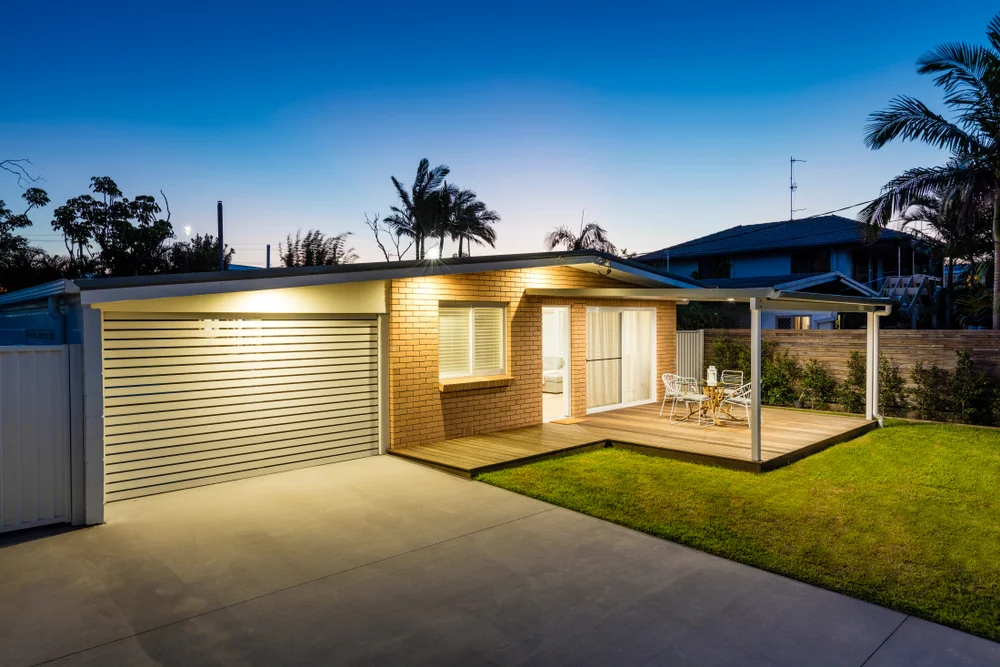
A plain concrete driveway is a standard grey slab without added colour, decorative aggregates or patterned finishes. It is usually completed with a broom, stipple or light trowel finish depending on the required texture and use.
Key characteristics include:
A typical residential driveway for cars is often designed at a minimum thickness of 100 mm, although heavier vehicles, sloping sites or challenging ground conditions may require a different slab design. Concrete strength should also be selected to suit expected traffic, soil conditions and the intended finish.
For many property owners, the main advantage of plain concrete is value. It generally costs less per square metre than coloured or decorative concrete while still providing a hard-wearing surface for everyday use.
Practical benefits include:
Plain concrete also allows for future updates. If the property exterior changes, the driveway can often be resurfaced, sealed or coated with decorative products. Movement cracks, if they occur, are usually easier to address on a simple grey surface than on more intricate decorative finishes.
Even within plain concrete, the finish matters. A light broom finish is a common option for driveways because it adds fine texture and improves grip in wet conditions. A smooth steel trowel finish may look cleaner, but it can become slippery outdoors and is often better suited to covered garage floors than exposed driveways.
Control joints are also important. These joints help manage cracking by encouraging concrete to crack in planned straight lines rather than randomly across the slab. Although visible, they generally blend into the overall driveway layout once the concrete has settled into everyday use.
Maintenance is usually simple. Occasional washing and prompt removal of oil spots can help limit staining. Sealing is optional, but it may be worthwhile in high-traffic areas or where vehicles regularly leak oil or other fluids. A clear sealer can make the surface easier to clean and may slightly deepen the natural grey tone.
Broom-finished concrete is one of the most common and cost-effective driveway finishes. It is chosen for its reliable slip resistance, simple appearance and practical performance in everyday conditions. The finish is created by dragging a stiff-bristled broom across freshly placed concrete to form fine, consistent ridges across the surface.
For homeowners wanting a driveway that handles vehicle traffic, wet weather and routine cleaning without complicated maintenance, a broom finish is often a strong choice. It suits a wide range of property styles and can also be combined with saw cuts, borders or subtle colour choices for a more tailored look.
The quality of a broom-finished driveway depends heavily on timing and technique. The concrete is placed, screeded and floated first to create a level surface. Once surface bleed water has evaporated and the concrete has started to firm, a clean broom is drawn across the surface in steady, overlapping passes.
The direction of the broom strokes is usually planned to improve traction. On many driveways, the broom marks are applied across the direction of vehicle movement rather than along it. Consistent pressure and timing are important so the texture remains even from one section of the driveway to the next.
The main benefit of broom-finished concrete is the balance between cost, safety and durability. It does not require highly decorative materials or complex finishing methods, which helps keep installation costs under control.
The textured surface improves grip compared with smooth trowelled concrete. This is especially useful for driveways exposed to rain, shaded areas that stay damp or sloped sections where traction is important. The texture also helps reduce the risk of algae or mould films becoming dangerously slippery, although regular cleaning is still recommended.
Maintenance is straightforward. Routine sweeping and occasional pressure washing are usually enough to keep the driveway tidy. A clear sealer can also be applied to help reduce staining from leaves, oil drips and tyre marks, particularly in higher-use areas.
Exposed aggregate driveways provide a decorative, textured finish that reveals the stones within the concrete surface. This option is often chosen when a driveway needs more visual interest than plain grey concrete while still offering strong grip and durability.
The finish is created by removing the top layer of cement paste shortly after placement to expose the aggregates beneath. This produces a stone-rich surface that can be tailored through aggregate colour, size and blend.
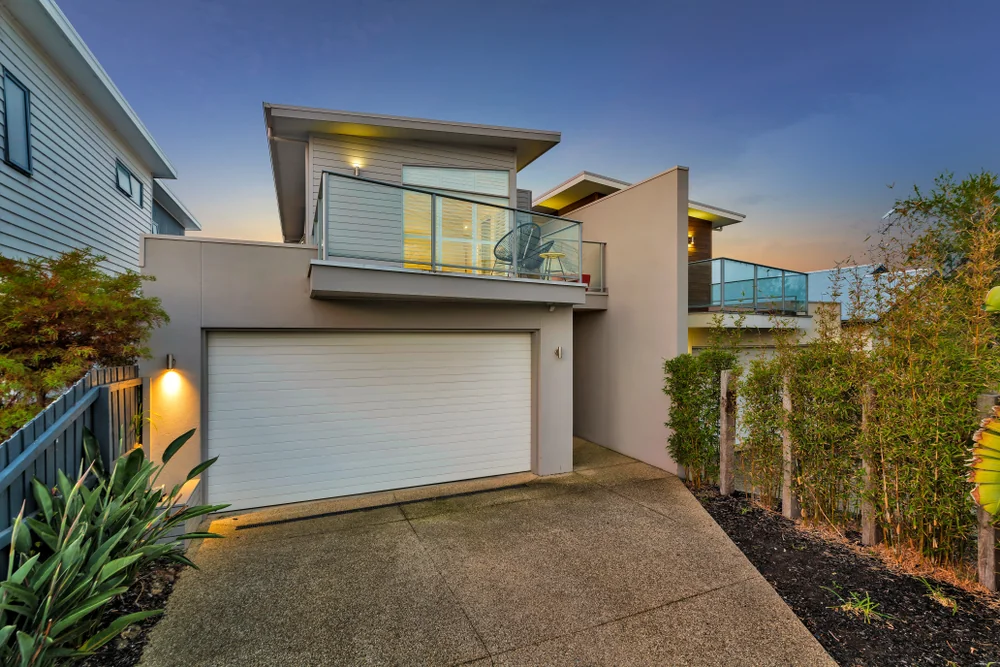
The main attraction of exposed aggregate is appearance. Different stone colours and sizes can be used to complement contemporary homes, traditional properties or landscaped outdoor areas. Lighter stone blends can create a softer look, while darker aggregates can provide stronger contrast against light façades and modern exterior finishes.
Slip resistance is another major benefit. The textured surface provides excellent grip in wet conditions, making it suitable for sloped driveways or areas where people regularly walk across the surface. The finish also helps disguise tyre marks, minor stains and small imperfections better than smooth grey concrete.
Exposed aggregate usually costs more than plain or broom-finished concrete because it involves additional labour, specific aggregates and careful finishing. Costs vary depending on driveway size, site access, aggregate type and whether decorative borders or saw cuts are included.
Maintenance is manageable but should not be ignored. Leaves, soil and debris should be removed regularly to reduce staining and organic growth. Gentle pressure washing can help keep the surface clean, while resealing every 3 to 5 years, depending on use and exposure, can protect the stones, maintain colour depth and improve stain resistance.
This finish is not ideal for every property. The texture is deliberately coarse, which some people may find less comfortable under bare feet than a smoother surface. On homes that already feature several strong exterior materials, a more restrained driveway finish may also be a better visual choice.
Coloured concrete driveways add visual impact while retaining the strength and practicality of concrete. Colour can be used to complement the home’s façade, landscaping, roof, garage door and surrounding streetscape.
For properties across Maitland, Newcastle and surrounding areas, colour choice should be practical as well as attractive. The selected shade needs to handle sun exposure, tyre traffic, leaves, dirt and everyday staining without becoming difficult to maintain.
Integral colour is a common method for driveways. Powdered or liquid pigment is mixed through the concrete at the batching stage, allowing the colour to run through the slab rather than sitting only on the surface. This can help disguise minor chips or surface wear because the colour is distributed through the concrete.
Surface-applied colour is another option. Colour hardeners or oxides are broadcast over the wet surface and trowelled in. This method can create richer or more intense colours and is often used with decorative patterns. However, it is more dependent on workmanship and may show wear differently if the surface is damaged or heavily abraded.
Colour should be selected with the property style, climate and maintenance expectations in mind. Light to mid-tone colours, such as warm greys, sandstone tones and soft charcoals, are often practical because they reduce heat build-up compared with very dark colours while still disguising marks better than pale shades.
When choosing a colour, consider whether it will:
Very dark colours can look striking but may become noticeably warmer in summer, especially on north- or west-facing driveways. Very pale colours can look clean at first but may show tyre marks and staining more easily. Mid-tones often provide the best balance between appearance and practicality.
Coloured concrete is durable, but it still needs care. UV exposure, vehicle traffic, cleaning products and leaf tannins can gradually affect the surface. A suitable sealer can help resist staining, slow colour fading and make cleaning easier.
Typical maintenance includes routine sweeping, occasional washing and resealing every few years, depending on traffic, exposure and sealer type. Harsh degreasers should be avoided because they can damage the sealer and dull the colour.
Correct placement is also important. Consistent slump, curing and finishing help reduce visible shade differences between loads or between sections poured at different times. This is why the colour method, mix design and placement process should be confirmed before the concrete is ordered.
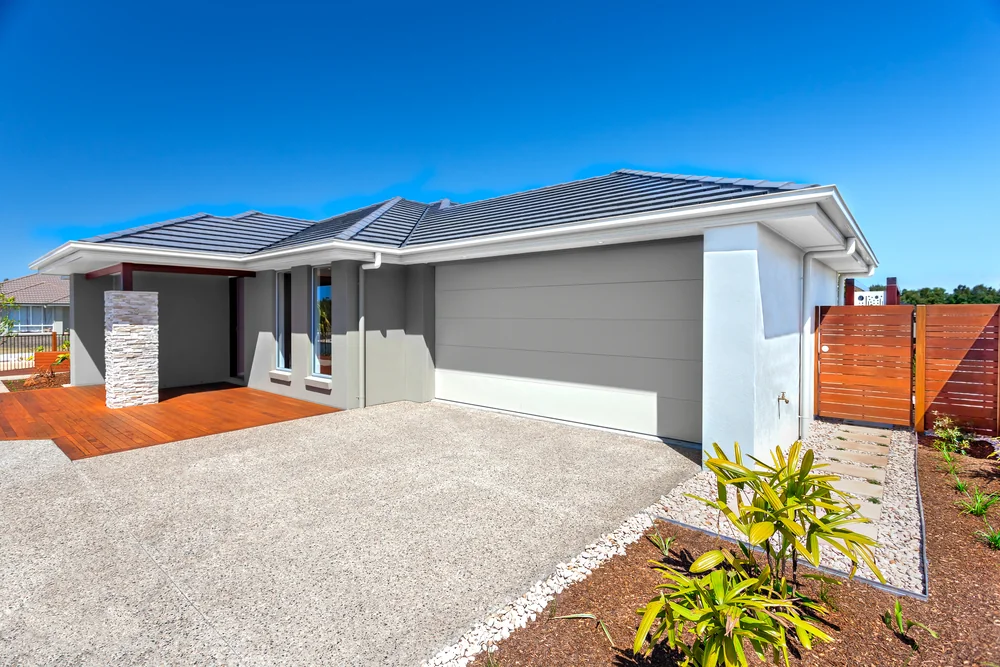
Choosing a driveway finish is not just about which surface looks best in photos. The right option should balance cost, durability, slip resistance, maintenance and how well it suits the surrounding property. Comparing each finish against the same criteria makes the decision more practical.
A plain broom finish may be the best choice for a simple, low-maintenance driveway. Exposed aggregate may suit a property where appearance and grip are priorities. Coloured concrete can provide a more customised look, but it needs careful colour selection and sealing to perform well over time.
Visual impact is often the starting point. Consider the home’s architecture, roof colour, façade materials, front fencing and landscaping. A driveway finish that competes with these elements can look busy, while a complementary finish can make the front of the property feel more cohesive.
Plain concrete offers a clean, understated look. Broom-finished concrete keeps the surface practical while adding subtle texture. Exposed aggregate creates a more decorative stone appearance and can hide minor marks well. Coloured concrete allows the driveway to better match the property style, especially when the home has modern exterior finishes or a defined colour palette.
A driveway needs to handle vehicles, turning tyres, rain, heat and general outdoor exposure. When comparing finishes, consider the required slab thickness, concrete strength, surface texture and whether sealing will be needed.
Exposed aggregate resists visible tyre scuffing and hides wear well, but it usually needs resealing to maintain its appearance. Coloured concrete offers design flexibility, but it should be sealed and cleaned correctly to reduce fading and staining. Broom-finished concrete is practical, affordable and slip-resistant, making it suitable for many residential driveways.
Slip resistance is especially important on sloped driveways, shaded areas or surfaces exposed to regular rain. Light broom finishes and exposed aggregate generally provide better traction than very smooth finishes. Highly burnished or steel-trowelled outdoor driveways should be avoided unless suitable texture is added.
Ordering ready mixed concrete for a driveway is not just about choosing a finish. The mix specification should suit the site conditions, expected traffic and selected surface treatment. Confirming key details before delivery helps avoid delays, appearance issues and performance problems.
Before placing an order, it is important to know what is being built, where it is going and how the concrete will be placed. This allows the supplier to recommend an appropriate mix for strength, exposure, slump and finish.
Start with how the driveway will be used. A standard single-car residential driveway will usually have different requirements from a shared access driveway, a steep driveway or an area that occasionally carries heavier vehicles.
Before ordering, confirm:
A higher-strength mix may be recommended where the driveway will carry heavier vehicles, has challenging ground conditions or includes decorative cutting that increases edge exposure.
The chosen finish affects the concrete mix, timing and placement method. A standard broom finish may require a different approach from exposed aggregate or coloured concrete, particularly when aggregate selection, oxide colour or surface retarders are involved.
For plain broomed or trowelled finishes, a standard driveway mix with suitable slump may be appropriate. For exposed aggregate, the aggregate type, size and colour should be specified before the order is placed. For coloured concrete, it is important to confirm whether the colour will be added at the plant or applied on-site.
Before delivery, check that:
Poor preparation can compromise even a well-designed concrete mix. Incorrect levels, weak base material or delayed finishing can affect the final appearance and long-term performance of the driveway.
Ready mixed concrete has a limited working time, so timing is important. Before confirming the order, make sure site access, labour, tools and finishing equipment are ready.
Weather should also be checked before delivery. Very hot, windy or wet conditions can affect placement and finishing. Rapid drying may increase the risk of surface issues, while rain can damage freshly finished concrete if the area is not protected. For exposed aggregate, coloured concrete or decorative finishes, timing and weather control are especially important because appearance depends on consistent placement and curing.
Where conditions are challenging, curing methods, set retarders or adjusted delivery timing may need to be discussed before the concrete arrives.
Choosing a concrete driveway finish comes down to balancing appearance, safety, durability and maintenance. Plain and broom-finished concrete offer practical, cost-effective options for everyday driveways, while exposed aggregate and coloured concrete provide more visual impact with additional sealing and care requirements. The right finish should suit the property style, driveway slope, expected traffic and local weather conditions.
Before ordering ready mixed concrete, it is important to confirm the driveway thickness, strength grade, finish type, site access, drainage and delivery timing. With the right planning, a concrete driveway can provide a stable, attractive and long-lasting surface that performs well in daily use and adds to the overall presentation of the property.
Call our friendly and highly experienced team today to get your concrete, sand, aggregate, and landscaping products.
-1.png)

