
Concrete Path Ideas for Gardens, Side Access and Outdoor Areas
May 25, 2026
Outdoor paths do far more than connect one part of a property to another. They influence how safely and comfortably outdoor spaces function while also shaping the overall appearance of the landscape. From front entry walkways and side access routes to garden links and entertaining zones, concrete paths provide a durable, low-maintenance surface that handles daily foot traffic and changing weather conditions. When planned alongside garden beds, edging, drainage and outdoor living areas, they can become a practical design feature rather than just a basic access route. For homeowners sourcing concrete and landscaping products in Newcastle and surrounding areas, careful planning can help create paths that look cohesive, function well and hold up over time.
Maitland Ready Mixed Concrete explores where concrete paths work best around the home, which finishes suit different outdoor conditions and the design details that improve functionality and longevity. The article covers exposed aggregate, coloured concrete, broom finishes, drainage considerations, path widths, reinforcement, site preparation and practical advice for ordering ready-mix concrete correctly.
Concrete paths suit outdoor areas that need to be hard-wearing, low-maintenance and safe underfoot. For gardens, side access ways, service areas and front entries, concrete provides a solid surface that handles daily foot traffic, garden equipment, bins and changing weather without constant upkeep.
For property owners comparing pathway options, the appeal of concrete lies in its long service life, range of finish options and strong performance in everyday outdoor conditions. When properly specified and installed, it delivers a neat, functional surface that can be kept looking tidy with basic cleaning.
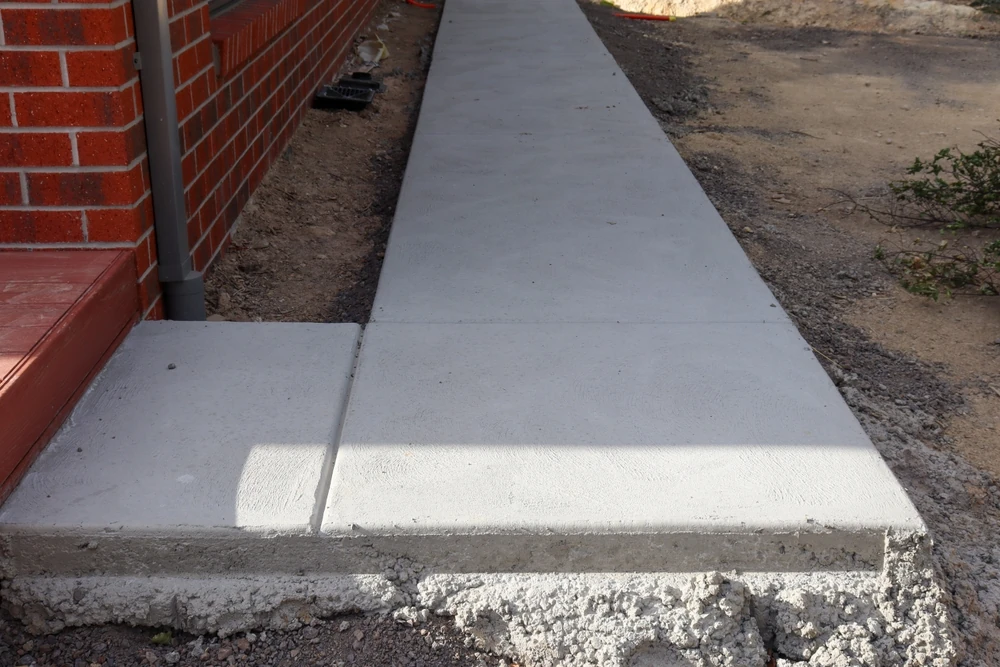
Outdoor paths must cope with repeated use, UV exposure, rain and soil movement. Concrete provides a stable surface that resists rutting and sinking, which can occur with gravel, compacted soil or poorly prepared pathways. Once cured, a quality concrete path can tolerate wheelbarrows, bins, prams and regular foot traffic with minimal movement.
In full sun, concrete does not warp or soften. With the right thickness and reinforcement, it can also handle occasional heavier loads, such as delivery trolleys or small trailers in access areas. For paths close to garden beds or trees, a properly prepared base and well-placed control joints help manage minor ground movement and reduce the likelihood of uncontrolled cracking.
Concrete paths are often chosen because they need very little ongoing maintenance. Unlike pavers, there are no individual units that can shift, sink or create uneven trip points over time. There is also less opportunity for weeds to grow through joints, which helps keep the surface cleaner and easier to manage.
Routine care usually involves:
A suitable sealer can help reduce staining from leaves, soil or outdoor spills, especially around garden beds, bins or entertaining areas. Compared with timber decking, concrete does not need regular oiling or replacement of rotted boards, which helps reduce long-term maintenance costs.
Safe access is one of the main reasons concrete is used for side paths, entries and outdoor walkways. Textured or broom-finished concrete provides better grip than very smooth surfaces, especially in wet weather or shaded areas that stay damp for longer.
Concrete also creates an even surface that improves accessibility for prams, mobility aids, wheelie bins and garden equipment. Properly formed levels and falls allow surface water to drain away from the house and towards garden beds, grated drains or other suitable drainage points. This helps keep pathways usable after rain and reduces the risk of pooling water against foundations.
Concrete paths are most effective in areas that need safe, year-round access and a clean, tidy surface. Around a typical home, they work especially well in locations exposed to mud, heavy foot traffic, garden overgrowth or poor drainage.
Good path planning can guide movement through the property, protect lawns and garden beds from wear and create clearer access for everyday tasks. The key is placing concrete paths where they solve a practical problem while also supporting the overall landscape design.
The front path is usually one of the most visible and heavily used areas of a property. A concrete path from the street, driveway or front gate to the entry provides a firm, level surface that stays usable in wet weather and helps reduce mud being tracked into the home.
For front entries, a slightly textured or broom finish is often preferred because it improves grip without looking overly industrial. Edging the path with lawn, gravel, mulch or garden beds can soften the appearance while still allowing the concrete to handle regular use, deliveries and mobility access.
Side paths are one of the most practical uses for concrete around a home. Narrow areas beside the house can easily become muddy, uneven or overgrown, particularly in shaded sections that stay damp. A concrete path creates reliable access for:
A typical side path should be wide enough for bins or equipment to pass comfortably, often around 900 mm to 1.2 m. A slight fall away from the house helps direct water towards a suitable drainage point, reducing moisture against external walls and keeping the area drier.
In backyards, concrete paths work well where regular movement is needed between key outdoor zones. This may include paths:
Unlike stepping stones or loose gravel, a continuous concrete path is easier to walk on at night, safer for prams and more practical when moving outdoor furniture or garden equipment. In planted areas, a narrower path with gentle curves can guide movement without trampling soil or damaging garden beds.
A light broom finish, coloured concrete or exposed aggregate can help garden paths blend with surrounding landscaping while still providing a clean, hard-wearing surface.
Finish choice determines how a concrete path looks, feels underfoot and performs in different outdoor conditions. For garden paths, side access and outdoor walkways, the right finish can improve slip resistance, reduce glare and complement nearby landscaping, garden edging, retaining walls or outdoor living areas.
Most exterior paths use a practical textured finish, with decorative options used where presentation is more important, such as front entries, garden links or entertaining zones. Durability is shaped by both the concrete mix and the finish method, so this decision should be made before the concrete is ordered.
For most side access paths and service areas, a broomed finish is a reliable option. While the concrete is still fresh, a stiff broom is dragged across the surface to create fine ridges. These ridges improve grip in wet conditions, which is useful near laundries, garden taps, pool zones or sloping paths.
Broom direction can be chosen to suit the path layout, with cross-brooming often used to improve traction on outdoor surfaces. Drainage, however, should come from the correct fall and surface levels rather than the broom texture alone.
A plain steel trowel finish creates a smoother, flatter surface that suits covered outdoor areas or locations where a clean, modern look is preferred. However, very smooth concrete can become slippery when wet if no texture or slip-resistant sealer is added. For exposed outdoor paths, a broomed, lightly textured or decorative finish is usually a safer choice.
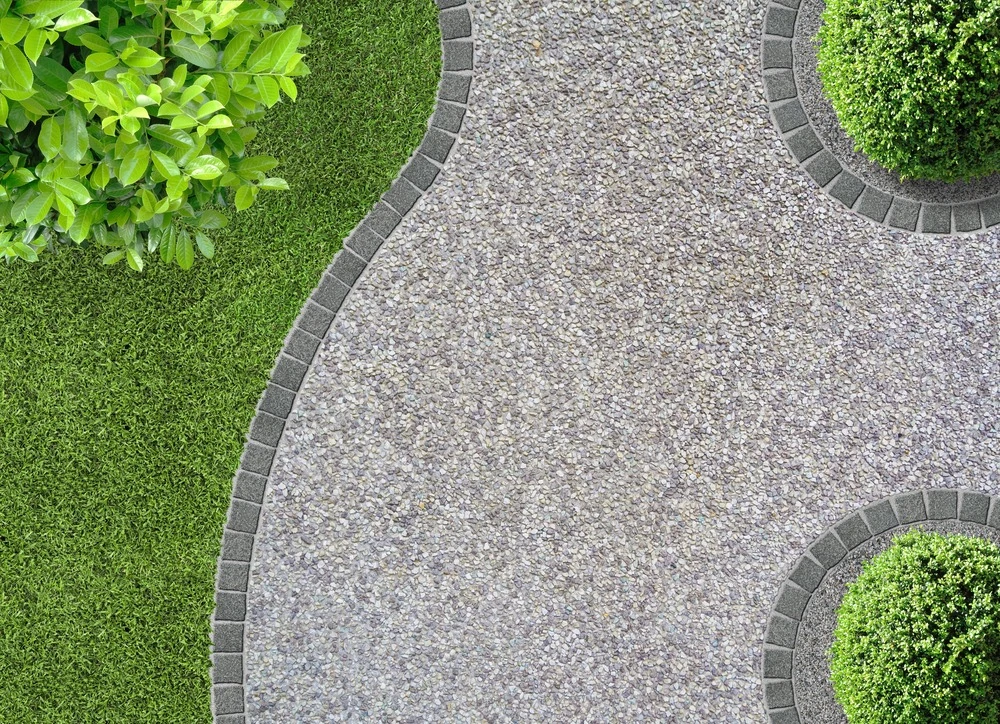
Exposed aggregate finishes reveal the stones within the concrete mix to create a textured, decorative and slip-resistant surface. After placement, the surface paste is lightly washed or brushed off, leaving the aggregate visible. This finish suits garden paths, front entries and driveway transitions where a more refined appearance is desired.
Locally available aggregates can create different colour effects, from warm natural stones that suit traditional gardens to darker aggregates that work well with modern facades. Exposed aggregate also helps hide minor staining and surface marks, making it a practical option for high-use outdoor areas.
Coloured concrete is another option for paths that form part of the landscape design. Oxide pigments added to the mix create an integral colour that will not peel like paint. Earthy tones such as charcoal, sandstone, terracotta or warm grey can help coordinate paths with garden edging, retaining walls, pavers and outdoor structures.
Surface sealers can deepen colour and make cleaning easier, although low-sheen products are often better in sunny areas to reduce glare.
A concrete path only works well when it is easy to walk on, simple to maintain and safe in different weather conditions. Function comes from design decisions made before the concrete truck arrives, including width, thickness, falls, surface finish and how the path connects with the house, garden and drainage.
Practical design is just as important as appearance. Heat, sudden downpours, clay soils and daily household use can all affect how a path should be planned. Paying attention to these details helps create a path that performs well over time rather than simply looking good on the day it is poured.
Path width should reflect how the path will be used. A narrow garden link that only carries one person at a time has different requirements from a side access path used for bins, wheelbarrows or prams.
As a guide, 800 to 900 mm can suit light garden access with single-file walking. Side access that needs to accommodate bins or equipment usually works better at 1000 to 1200 mm, giving enough clearance beside walls, fences and garden edges. Where two people need to pass comfortably, such as along a main route from the driveway to the front door, 1200 to 1500 mm is often more practical.
Alignment also affects how comfortable the path feels. Gentle curves can work well in landscaped areas and allow smoother mower access along garden edges. Tight zigzags, awkward corners and unnecessary steps can interrupt movement and create trip hazards. Paths should connect key destinations as directly as possible while still working with the garden layout and existing levels.
Concrete paths in residential gardens are commonly 75 to 100 mm thick. Light foot traffic on stable ground may suit 75 mm, while 100 mm is usually preferred where the path carries frequent trolley use, bins, light equipment or occasional vehicle crossing.
Control joints are important because they help manage cracking. In many domestic paths, joints are cut or formed at spacings of about 24 to 30 times the slab thickness. For 75 to 100 mm slabs, this generally means joints every 1.8 to 3 m. Joints should also line up with changes in width, corners and points where the path meets structures such as steps, patios or driveways.
Reinforcing mesh is often used for added durability, especially where the ground is less stable, where tree roots are nearby or where the path may experience heavier use. The base should also be properly compacted before pouring, as poor subgrade preparation is one of the main reasons paths move, crack or settle unevenly.
Correct fall is critical for a functional path. A typical gradient of around 1:80 to 1:100 away from buildings helps water clear without making the path feel steep underfoot. Along side access areas, drainage should be planned so water does not pool against house walls, fences or garden edges.
Surface finish also affects safety. Broomed, brushed or lightly textured finishes provide grip in wet weather and are well suited to sloping paths, shaded side access and outdoor areas exposed to rain. Exposed aggregate gives strong traction and hides minor staining, although it can feel firmer under bare feet. Very smooth steel trowel finishes should generally be avoided in exposed high-traffic outdoor areas because they can become slippery when wet.
Other small details can improve everyday use. Lighting should be considered along main routes, especially to front doors, bins and side access areas used at night. Edges can be finished flush with lawn for easier mowing or formed with a small kerb to help hold mulch, gravel or garden soil in place.
Getting the details right before ordering ready-mixed concrete helps avoid delays, extra costs and poor finishes. A concrete path for garden access, side areas or outdoor living spaces needs the correct mix, strength, thickness, volume and delivery plan to perform well.
Before placing an order, it is worth confirming all key details so the truck arrives with the right product, in the right amount, at the right time.
Accurate measurements are essential before ordering. The length, width and thickness of the path should be confirmed and written down. For example, a side access path might be 15 m long, 1 m wide and 100 mm thick. All measurements should be converted to metres so the volume can be calculated in cubic metres.
Garden and side access paths are commonly poured at 75 to 100 mm thick. Heavier-use areas, driveway transitions or sections where vehicles may cross generally need at least 100 mm and may require more depending on soil conditions and expected loads.
Once the total volume is calculated, an additional 5 to 10% is usually added to allow for uneven ground, trimming and minor measurement differences. Ordering too little concrete can lead to cold joints if a second load is needed, which is usually more problematic than slightly over-ordering on the first delivery.
Before ordering, the required strength and surface finish should be confirmed. For many domestic garden and side paths, a 20 MPa to 25 MPa mix is commonly suitable. Areas that may carry heavier loads or see more frequent use may benefit from 25 MPa or 32 MPa concrete for added durability.
The planned finish also affects the order. A broom or brushed finish gives better grip for side access, garden paths and sloping areas. A plain trowel finish may suit covered areas but can be slippery when wet. If exposed aggregate, decorative colours or surface treatments are planned, this should be discussed before ordering so the mix design, aggregate selection and timing suit the intended result.
Site conditions influence how the concrete will be delivered and placed. Truck access should be checked carefully, including driveway strength, overhead clearances, tight turns and whether the truck can get close enough to the pour area. If the truck cannot reach the path with the chute, a concrete pump, wheelbarrows or extra labour may be required.
The path area should be fully prepared before the truck arrives. This includes excavation, formwork, compacted base, reinforcement, drainage, conduits and any planned edging. Once concrete is delivered, there is limited time for placement and finishing, so preparation is essential.
Weather should also be considered. Hot or windy conditions can cause concrete to set faster, which may require earlier delivery, extra labour or curing measures. Wet weather may require rescheduling to avoid surface damage, weak edges or poor finish quality.
Concrete paths provide a reliable foundation for outdoor areas that need to balance durability, safety and visual appeal. With the right layout, width, gradient, drainage and finish, they can improve everyday access while complementing garden beds, outdoor living spaces and surrounding structures.
Long-term performance depends on more than appearance alone. Correct subgrade preparation, reinforcement, joint placement and suitable concrete strength all help reduce cracking, movement and premature wear. When the finish suits the level of traffic and moisture exposure, a well-constructed concrete path can remain practical, easy to maintain and visually consistent with future landscaping improvements.
Call our friendly and highly experienced team today to get your concrete, sand, aggregate, and landscaping products.
-1.png)

