
Transforming Outdoor Spaces with Quality Landscaping Products
November 24, 2025
Creating a beautiful and functional outdoor area isn’t just about adding plants or decorative features; it’s about designing a cohesive environment that enhances lifestyle, increases property value and stands the test of time. Homeowners are becoming more intentional with how they shape their yards, courtyards and garden spaces, turning them into extensions of their living areas. At Maitland Ready Mixed Concrete, we’ve seen how the right landscaping products can elevate even the simplest outdoor concepts into stunning spaces. Whether you’re planning a small backyard refresh or a full outdoor renovation, quality materials lay the foundation for good results.
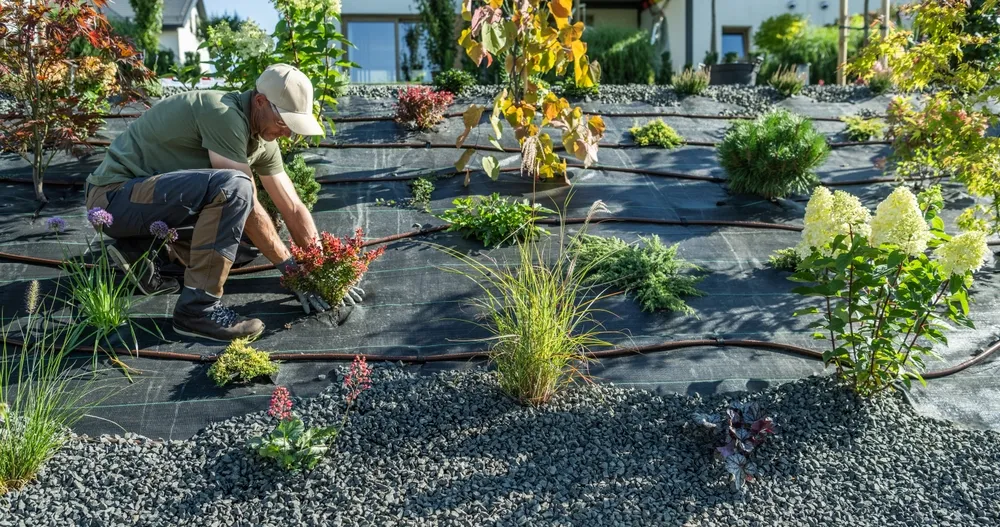
Designing an outdoor area that feels usable requires thoughtful planning and a clear understanding of how the space will be enjoyed. Many want spaces that support relaxation, entertainment and everyday living, while also maintaining long-term durability under a changing climate. A well-designed layout ensures that garden beds complement the home’s architecture and seating areas.
Designing an outdoor area that truly feels functional and inviting starts with a clear understanding of how you intend to use the space. Before jumping into materials and plants, take a moment to think about how you genuinely live in your outdoor space: your routines, the kind of atmosphere you enjoy and what would make the area more useful day to day. Every property is different. Some families need open play areas, others want peaceful corners for relaxation, while some prefer structured spaces for outdoor dining and entertaining.
Creating this harmony helps avoid extremes; too many plants can make a yard feel cluttered or unmanageable, while too many hard materials can feel stark and uninviting. A blended approach ensures the space feels both grounded and lively yet warm. You can create this balance in a few simple ways, such as:
How people move through a space has a big impact on how comfortable it feels. Well-designed landscapes guide movement, making transitions feel effortless rather than abrupt. Whether you have a compact courtyard or a spacious backyard, the circulation plan influences comfort, safety and how often the space gets used. Prioritising clear pathways, thoughtful lighting and convenient access points enhances looks and everyday practicality.
Ready-mixed concrete remains one of the most reliable materials for creating strong pathways and precise edging throughout your landscape. Unlike loose materials, concrete offers unbeatable stability and clean lines, making it ideal for high-traffic areas or properties that require a more structured, polished finish.
The materials you choose play a role in the longevity, visual appeal and long-term functionality of your outdoor space. High-quality concrete, pavers, gravel, retaining walls and decorative elements can transform a plain yard into a cohesive landscape. For properties where weather exposure and soil conditions vary, choosing robust materials is crucial. Investing in quality products means fewer repairs, longer lifespans and better overall performance.
Concrete continues to be one of the most valued materials in modern landscaping because of its versatility and ability to deliver a clean, polished aesthetic. Whether you’re building from the ground up or enhancing an existing landscape, concrete provides the structural integrity to withstand heavy foot traffic, extreme weather and the daily wear that outdoor areas naturally experience.
Retaining walls are crucial features in landscaping, especially for sloped or uneven properties. However, they serve a much greater purpose than simply holding back soil; they define the flow of the garden, provide opportunities for layers and height and contribute to the visual appeal of the landscape. Whether the goal is functionality or well-designed retaining walls, they create structure and open new design possibilities.
.
Selecting the right retaining wall blocks and pavers achieves functionality and visual appeal. These materials must be strong enough to withstand soil pressure and environmental stress, but they also contribute to the overall look and feel of the landscape. From rustic textures to contemporary smooth finishes, retaining wall blocks and pavers come in a wide range of choices, each offering unique aesthetic and structural advantages.
Decorative materials add character to outdoor spaces. These elements help break up large areas of concrete or lawn, create focal points and add definition to garden beds and pathways. Decorative aggregates, stones and textured products are especially popular for homeowners who want a custom look without complicated construction.

Sustainable landscaping is becoming important for homeowners who want to reduce water usage, improve soil health and create environmentally responsible gardens. Eco-friendly landscapes don’t just benefit the environment; they’re easier to maintain and more resilient throughout the seasons. Thoughtful material selection, plant choice and water-smart strategies can turn any yard into a sustainable outdoor haven.
Designing a sustainable landscape begins with selecting plants that can thrive in the region’s warm summers, variable rainfall and occasional dry spells. Choosing low-water and climate-resilient species not only reduces your burden but also helps your garden stay healthy year-round without constant irrigation. These plants are naturally adapted to local soil conditions and temperature shifts, making them more reliable and cost-effective. By building your garden around hardy, drought-tolerant varieties, you can create a lush, vibrant outdoor space that remains resilient even during challenging weather periods.
Native shrubs and grasses
Succulents and hardy perennials
Drought-resistant trees
Sustainability isn’t just about choosing the right plants; the materials you use play a big role, too. By prioritising recycled, locally sourced materials, you can minimise impact while still creating a functional garden. Eco-friendly materials reduce transportation emissions, divert waste from landfills and offer a durable alternative to traditional options.
Recycled concrete or pavers
Mulch made from organic waste
Low-maintenance composite products
Your garden’s long-term health really starts with the condition of your soil. When your soil retains nutrients, moisture and structure, your plants are better equipped to grow strong roots, resist pests and withstand seasonal changes. Improving soil health naturally avoids the need for synthetic fertilisers, which can harm beneficial organisms and lead to nutrient imbalances. Instead, a focus on organic, regenerative practices keeps your garden self-sustaining and environmentally friendly.
Composting organic waste
Incorporating mulch to retain moisture
Implementing worm farming or soil microbes
Ongoing care ensures the quality and performance of your landscaping for years to come. Even the best materials require correct handling and maintenance to prevent damage, avoid unnecessary repairs and maintain appeal. With the right approach, your outdoor space will continue looking great and functioning well through all seasons.
Proper site preparation is the foundation of every successful landscaping project. Before any concrete is poured or materials are installed, the ground must be thoroughly assessed and shaped to support long-term stability. Skipping or rushing this step often leads to costly issues such as sinking pathways, pooling water and shifting retaining walls.
Clearing vegetation and debris
Levelling uneven ground
Once the site is prepared, careful installation is the next critical step. High-quality materials only perform as well as the techniques used to install them. Proper construction practices help prevent cracking, shifting, water damage and structural failures. Whether you’re pouring concrete, building a retaining wall or constructing pathways, using the right methods ensures your investment stands strong for many years.
Pouring concrete on well-compacted bases
Ensuring proper curing times
Checking alignment for paths and edging
Weather, foot traffic, plant growth and natural ageing all affect the condition of landscaping materials. Consistent care prevents minor concerns from turning into major repairs and ensures that your garden, pathways, retaining walls and concrete surfaces remain safe, attractive and structurally sound.
Clean concrete and pavers to prevent moss buildup
Reapply sealants every few years
Inspect retaining walls for movement or cracks
Refresh mulch to retain moisture and control weeds
Prune plants to maintain shape and health
Transforming your outdoor area starts with choosing the right landscaping products. With quality supplies such as concrete, aggregates, decorative stones and structural materials from trusted experts like us here at Maitland Ready Mixed Concrete, you can build landscapes that last for decades. Through thoughtful design, sustainable choices and proper installation, any outdoor space can become a functional, stylish and inviting extension of the home. Whether you’re planning a full renovation or small enhancements, investing in the right products is the key to outdoor spaces that truly stand out.
Call our friendly and highly experienced team today to get your concrete, sand, aggregate, and landscaping products.
-1.png)

