
What Is Block Fill Concrete and When Is It Used?
August 14, 2026
Block fill concrete plays an important role in the strength and stability of masonry structures where hollow concrete blocks are used for load-bearing walls, retaining structures or reinforced blockwork. An experienced concrete supplier in Newcastle can provide a suitable mix for the project while considering factors such as strength, workability and placement requirements.
Maitland Ready Mixed Concrete supplies concrete solutions for block fill applications, helping builders select suitable mixes for different structural and site conditions. With the right preparation, reinforcement and placement method, block fill concrete can create a stronger, more durable masonry system while reducing the risk of voids and incomplete filling.
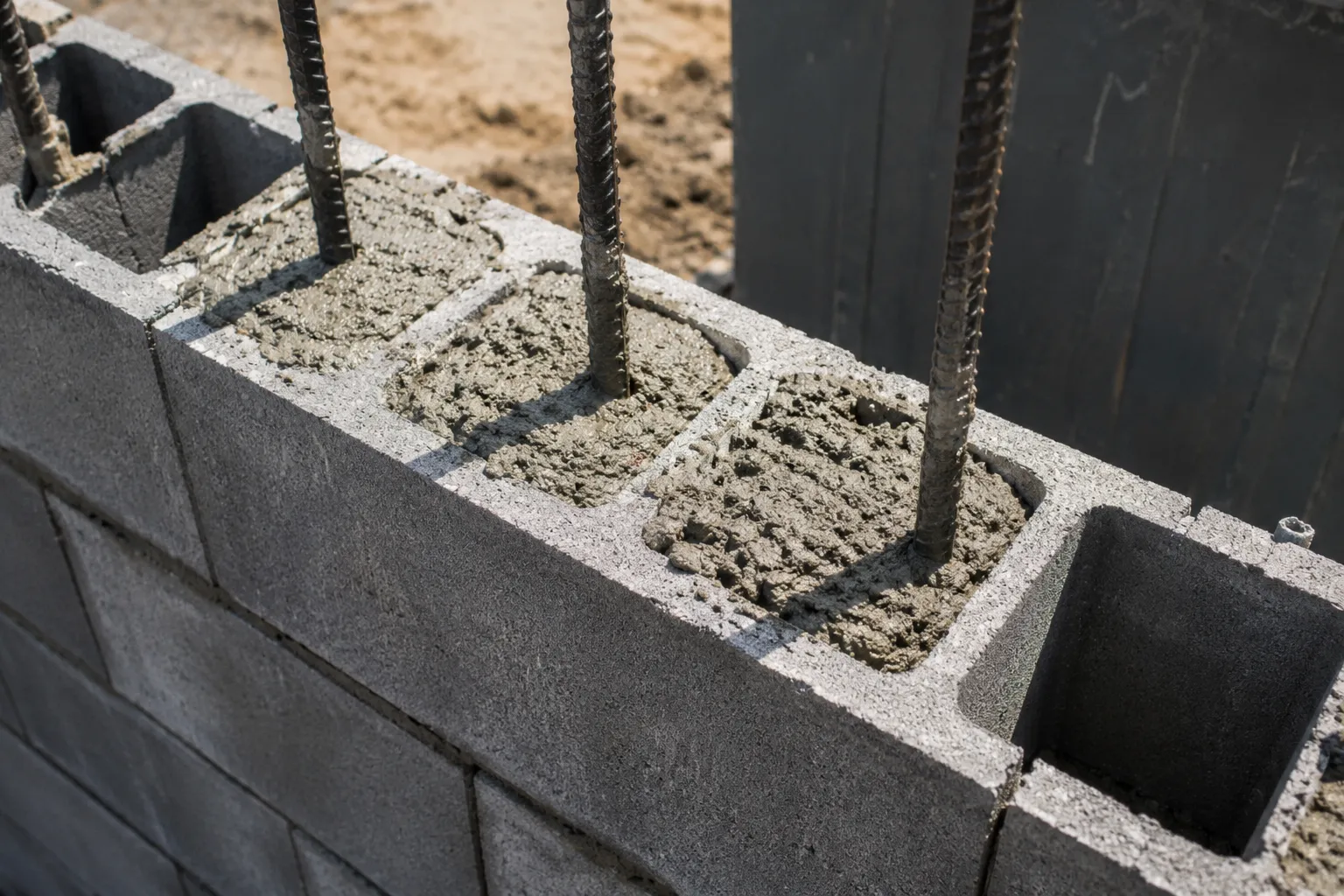
Block fill concrete is a specialised mix designed to flow into the hollow cores of concrete masonry units and create a solid internal structure. When combined with correctly positioned reinforcement, it helps the blockwork act as a more integrated structural system capable of supporting loads and resisting lateral forces.
Its performance depends on selecting the appropriate mix, placing it correctly and allowing it to cure properly. Unlike standard concrete used in slabs or footings, block fill needs to move through narrow cavities and around reinforcement without voids or segregation.
Block fill uses smaller aggregate and greater workability than standard concrete, allowing it to flow through narrow cores and around reinforcing steel. The required strength and consistency should be based on the project’s engineering specifications.
Once placed, the concrete surrounds the reinforcement and bonds with the surrounding masonry. As it cures, the filled cores can:
Not every core necessarily needs to be filled. The engineer determines the required filling pattern based on factors like wall height, reinforcement, openings and structural loads.
Block fill can be poured or pumped into prepared blockwork. Pumping is often useful for taller walls, restricted access or larger projects, while smaller accessible sections may allow other suitable placement methods.
The wall should be adequately braced before filling, with cores checked for mortar and other obstructions. Concrete should be placed in suitable lifts and consolidated as required to minimise trapped air and ensure the specified cores are properly filled.
After placement, the concrete requires appropriate curing and protection from rapid drying so it can develop its specified strength and form a reliable connection with the surrounding masonry.
Block fill concrete is used where hollow concrete blockwork needs additional strength, stability or improved fire and acoustic performance. It can be placed in selected or full cores, often around reinforcing steel, to create a more integrated masonry system.
Here are some of its common applications:
The required filling pattern and reinforcement depend on the wall’s design, loads, height and construction details. For structural applications, these requirements should be determined by the relevant engineering specifications rather than assumed for every blockwork project.
Block fill concrete can improve the strength, stability and overall performance of hollow concrete blockwork. When specified cores are filled around reinforcement, the concrete and masonry work together as a more integrated structural system.
The main benefits include:
These benefits depend on the correct concrete strength, filling pattern, reinforcement and placement method. The finished performance of the wall also depends on the wider structural design, including the blocks, footing and other construction details.
Although block fill concrete and standard concrete use similar basic ingredients, they are designed for different applications. Standard concrete is used for slabs, footings and other open-form structures, while block fill is formulated to flow through narrow masonry cores, surround reinforcement and fill cavities effectively.
Block fill generally uses smaller aggregate and a more workable mix than standard concrete. This allows it to pass through narrow cores and around reinforcing bars while remaining cohesive.
Standard concrete is usually designed for more open placement conditions where larger aggregate and conventional consolidation methods can be used more easily.
Block fill can be poured or pumped into vertical block cores depending on wall height, access, reinforcement and project volume. The mix must remain workable as it travels through the placement system and enters the confined cavities.
Using an unsuitable mix can increase the risk of blockages, segregation or incomplete filling.
Standard concrete forms structural elements such as slabs and footings, while block fill creates solid cores within masonry walls. Once cured, it works with the surrounding blocks and reinforcement to increase the wall’s structural capacity and stability.
Block fill is designed to flow around reinforcing steel and create a connection between the reinforcement, concrete and surrounding blockwork. This allows the steel to perform its intended role within the reinforced masonry system.
The suitability of any concrete mix should be confirmed against the block dimensions, reinforcement, required strength and placement method rather than assuming standard concrete can be used for core filling.

Choosing the appropriate concrete mix is important for achieving the required strength, flow and durability while reducing the risk of voids, segregation and blocked cores. The appropriate mix depends on the wall’s purpose, reinforcement, block dimensions, required strength and placement method.
The required compressive strength should follow the project’s engineering specifications. Load-bearing walls, retaining structures and heavily loaded commercial blockwork may require a different strength grade from lightly loaded applications.
Structural blockwork should also comply with the applicable structural requirements for masonry and the project’s engineering specifications.
Using a mix that does not meet the specified strength can compromise performance, while selecting a higher grade than necessary may add cost without providing a practical benefit.
Block fill needs sufficient workability to flow through narrow cores and around reinforcement without segregating. Smaller aggregate is preferred because it can move through confined spaces more easily than the larger aggregate used in many standard concrete applications.
Admixtures may also improve flow and pumpability without simply adding excess water, which can affect concrete strength and performance.
The placement method should be considered before ordering. A pump mix may be appropriate for tall walls, restricted access or larger pours, while smaller and accessible projects may allow direct discharge or another suitable method.
The mix should be compatible with the planned equipment and construction sequence so it can be placed efficiently and fill the required cores. Providing the supplier with information about wall dimensions, reinforcement, access and placement conditions can help ensure the selected mix is suitable.
The cost of block fill concrete depends on the required mix, volume, delivery conditions and placement method. The concrete needs to meet the project’s structural and workability requirements rather than simply being selected on price.
Several factors can influence the overall cost:
Accurate planning can help avoid ordering too little concrete or paying for unnecessary excess. Discussing the required volume, mix and delivery conditions with a professional supplier can also help provide a more accurate estimate.
Calculating the required amount of block fill starts with determining how much of the blockwork will actually be filled. Not every core necessarily requires concrete, so the filling pattern should first be confirmed from the engineering design.
The calculation should account for the wall dimensions, block type, core size, number of cores being filled and height of the fill. Where available, the block manufacturer’s grout or fill volume per unit is the most reliable reference because core dimensions vary between block types.
A practical approach is to:
For larger or structurally important projects, the final quantity should be checked against manufacturer information and engineering requirements before ordering. Providing the supplier with the wall dimensions, block type, filling pattern and access conditions can also help ensure the correct volume is supplied.
Proper preparation helps ensure block fill concrete can be placed efficiently without leaks, voids, movement or unnecessary delays. Before delivery, the blockwork, reinforcement, access and placement equipment should all be checked and ready.
The wall should be completed to the required lift height, with mortar joints properly finished and cores free from obstructions. Reinforcement must be correctly positioned, secured and installed according to the engineering details.
Where clean-outs are specified, they should be used to remove mortar droppings and confirm that the cores are clear. Openings should then be securely closed so the concrete remains contained during placement.
Gaps, penetrations and other areas where concrete could escape should be sealed before the pour. The blockwork also needs adequate bracing to withstand the pressure of fresh concrete, particularly for tall walls, piers and other slender sections.
Door and window openings should be properly supported, while nearby finishes and materials should be protected from concrete splashes and placement activity.
The concrete truck and pump need clear and stable access to the work area. Site planning should also account for the safe setup and operation of concrete placing equipment, including suitable ground conditions, exclusion zones and overhead hazards. Pump setup locations, hose routes and washout areas should be arranged before delivery, with overhead hazards and restricted access identified in advance.
The block fill should be scheduled around site and weather conditions where possible. Workers should understand the pour sequence and safety procedures and use appropriate protective equipment when handling fresh concrete and working around moving equipment.
Professional supply and placement are valuable when block fill forms part of a structural wall, involves large volumes or needs to be pumped into tall or difficult-to-access blockwork. Unlike a typical slab pour, block filling requires a suitable mix that can flow through narrow cores, surround reinforcement and fill cavities without creating voids or placing excessive pressure on the wall.
Professional supply and placement may be appropriate when:
Working with an experienced supplier can help coordinate the appropriate mix, volume, delivery and placement requirements. Good planning also ensures the concrete arrives when the site is ready and can be placed efficiently within the required timeframe.
Block fill concrete plays a vital role in achieving strength, stability and durability in reinforced masonry walls, retaining structures and other hollow block applications. Choosing the appropriate mix, preparing the blockwork correctly and coordinating placement can help the finished structure perform as designed. Maitland Ready Mixed Concrete can assist with suitable ready mix solutions for block fill projects, helping builders coordinate the required mix, volume and delivery requirements for reliable placement.
Call our friendly and highly experienced team today to get your concrete, sand, aggregate, and landscaping products.
-1.png)

