
Can Concrete Be Poured in the Rain?
June 10, 2026
Rain on the day of a concrete pour can create uncertainty about whether work should proceed or be postponed. For projects involving ready mixed concrete in Newcastle, understanding how weather conditions affect fresh concrete is important for achieving a durable result. Rain does not automatically mean a pour must be cancelled, but its timing, intensity and duration need to be considered carefully.
A light shower after the concrete has started to set may have little impact. Heavy rain during placement or finishing is a different matter. It can disturb the surface, wash out cement paste and contribute to a weak or uneven finish. This article explains how rain affects freshly placed concrete, when a pour may still proceed safely and when postponement is the better option.
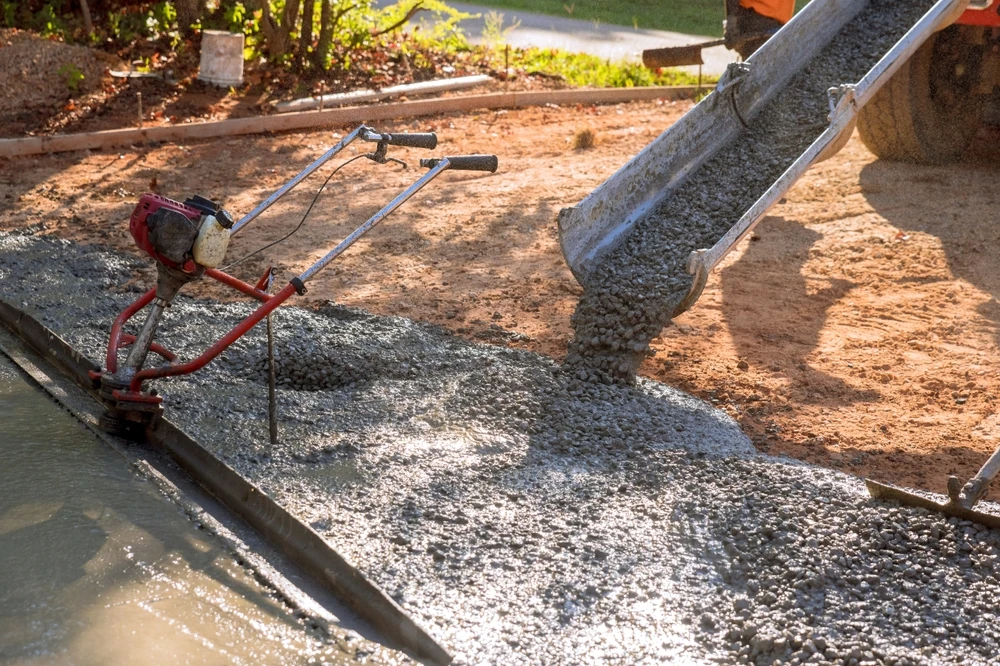
Concrete may be poured when rain is forecast, but only when the risks can be managed properly. The decision should be based on when the rain is expected, how heavy it is likely to be and whether suitable protection can be prepared before the concrete arrives.
Before confirming a pour, it is worth taking the time to check the local weather forecast and paying attention to the expected timing, intensity and duration of any rainfall. This can help determine whether the work can proceed with suitable protection or whether rescheduling is the more practical option.
A brief shower later in the day may not prevent a pour from proceeding. However, heavy or prolonged rain close to the scheduled placement time can create unnecessary risks, particularly for exposed surfaces such as driveways, paths, patios and house slabs.
The condition of the site also matters. Even if the rain is relatively light, work may need to be postponed if runoff will flow through the pour area or the base has become saturated and unstable.
Fresh concrete is designed with a controlled amount of water. This allows the cement, aggregates and other components to work together as intended. Rainwater that falls on plastic concrete can affect the upper layer before it has had time to stiffen.
The most common concerns include:
Rainwater should not be trowelled or worked into the surface. Doing so can create a soft upper layer that may later dust, flake or wear more quickly under regular use.
Decorative finishes require particular care. Coloured concrete and exposed aggregate surfaces may show visible streaks, patches or uneven texture if rain interferes with the finishing process.
The effect of rain depends heavily on the stage the concrete has reached. Freshly placed concrete is more vulnerable than concrete that has already stiffened and been finished.
The greatest risk occurs while concrete is still being placed, screeded and finished. At this stage, a downpour can dilute the surface paste, wash out fine material and make it difficult to achieve an even finish.
Heavy rain may also introduce water into the forms or cause runoff to flow across the work area. If conditions cannot be controlled, the concreter may need to stop work and reassess whether the pour can continue safely.
Once concrete has started to stiffen, light rain is less likely to cause major damage. However, the slab still needs to be protected from ponding and flowing water.
Rain at this stage can also delay finishing work. If water remains on the surface, finishing should not continue until the concreter has assessed the condition of the slab. Working excess water into the concrete can create a weaker surface layer.
After the surface has set, light rain is usually less concerning. Concrete needs moisture during curing, and a mild shower may not affect the finished result.
However, heavy rain and uncontrolled runoff can still damage edges, disturb relatively green surfaces or create ponding around the slab. Protection may still be required until the concrete has gained sufficient strength.
Wet-weather preparation should begin before the concrete truck arrives. If rain is forecast, protection needs to be ready on site rather than arranged after the pour has started.
Common protective measures include:
The subgrade should be checked before pouring begins. Any standing water inside the forms needs to be removed. If the base has become soft, unstable or waterlogged, it may need further preparation before work can proceed.
Properly preparing your site for ready-mixed concrete delivery is particularly important when showers are forecast, as standing water, unstable ground and poor access can make it difficult to proceed safely.
Covers should be positioned beside the work area so they can be placed quickly if conditions change. While the concrete is still plastic, waterproof covers should be supported above the surface to prevent them from marking or disturbing the finish. Once the concrete has stiffened sufficiently, suitable sheet materials may also be used as part of the curing process.
The response will depend on the severity of the rain and how far the pour has progressed. The priority is to keep excess water off the surface and prevent runoff from flowing through the work area.
If rain begins during placement:
A passing shower may only cause a short interruption. A prolonged downpour may make it impractical to continue, particularly if water cannot be kept out of the forms or off the fresh concrete.
Rescheduling is often the sensible option when conditions create a high risk of surface damage or make the work area difficult to control.
A pour may need to be postponed when:
Wet weather is not the only issue that can disrupt a scheduled pour. These common ready mix concrete mistakes that delay Newcastle projects explain why site access, preparation, communication and correct scheduling should also be checked before the concrete arrives.
Cold and wet conditions can also slow setting and keep the surface vulnerable for longer. Where conditions are unsuitable, postponing the pour is often safer than proceeding and risking costly remedial work.
Any changes to the concrete mix or use of admixtures should be discussed with the concrete supplier before batching begins. The right approach will depend on the project, the weather conditions and the required finish.
Rain does not always prevent a successful concrete pour, but it does require careful planning. The key factors are the timing and intensity of the rain, the condition of the site and whether suitable protection can be put in place before work begins.
Careful planning for your ready-mix concrete project can also help ensure the right quantity, mix and delivery schedule are confirmed before pouring begins. This is particularly important when weather conditions are uncertain, as changes to the timing of the pour may need to be coordinated with the concrete supplier.
Light showers may be manageable when the site is prepared and the concrete is protected properly. Heavy rain, unstable ground and uncontrolled runoff are stronger reasons to postpone the pour. Assessing these conditions early can help reduce the risk of surface defects, weakened concrete and avoidable repair work.
Call our friendly and highly experienced team today to get your concrete, sand, aggregate, and landscaping products.
-1.png)

