
Common Ready Mix Concrete Mistakes That Delay Newcastle Projects
January 23, 2026
Delays on concrete pours usually come down to preventable mistakes like ordering the wrong mix, poor site preparation and mismanaged timing.
If you’re a homeowner, builder, concreter, or project manager working with ready mixed concrete in Newcastle, this guide is for you, especially if you’re trying to keep your slab, footing, driveway, or commercial build running on schedule.
These issues matter because even a small concrete error can trigger wasted labour hours, failed inspections, extra pump hire costs and rebooking delays that can throw out your entire construction timeline.
At Maitland Ready Mixed Concrete, we see these problems regularly, so in this article you’ll learn the most common ready mix concrete mistakes that delay Newcastle projects, what causes them and how to plan your order, site and scheduling properly to avoid costly setbacks.
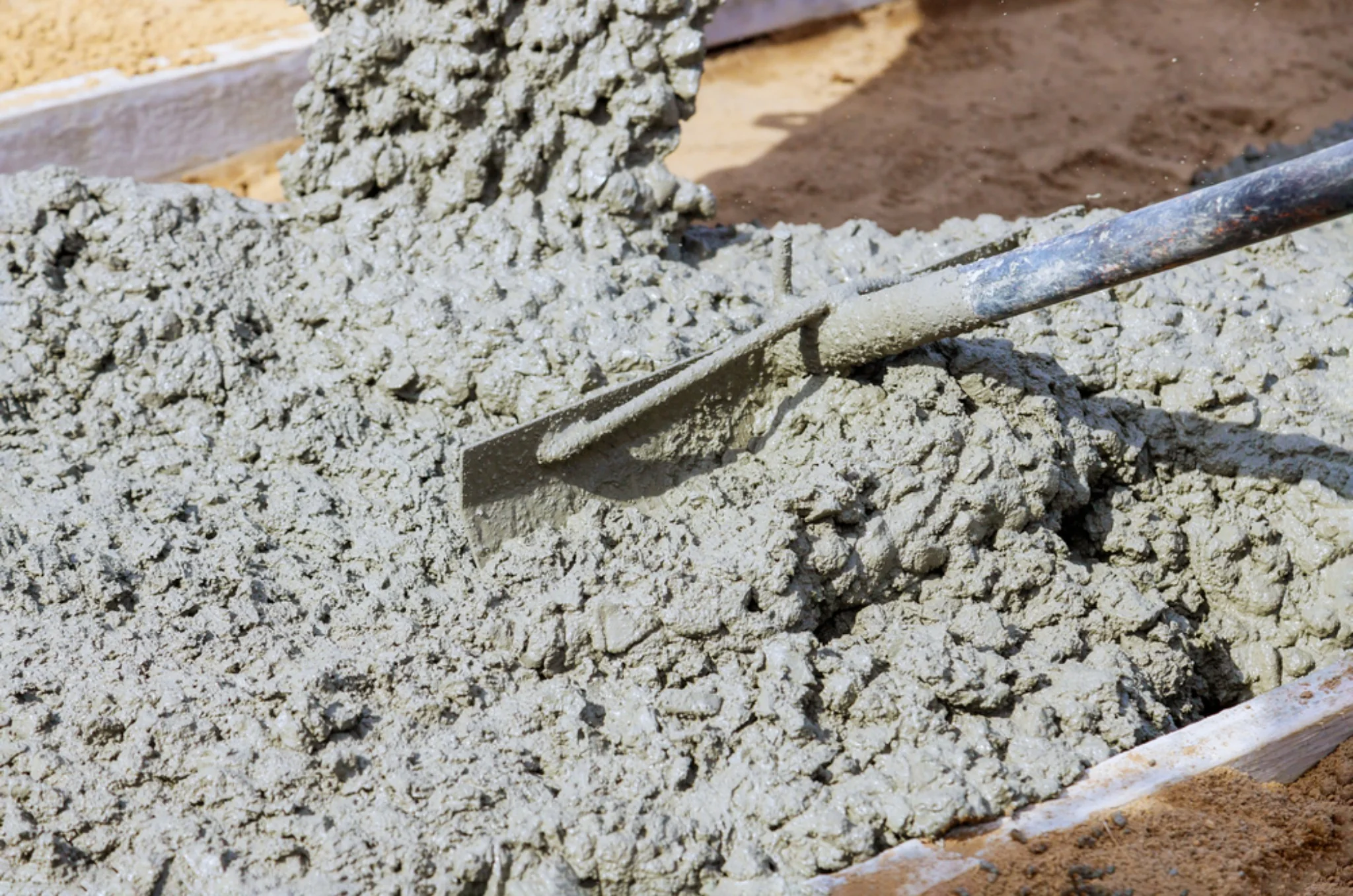
One of the biggest delays we see on Newcastle projects happens before concrete even arrives onsite. It starts with ordering the wrong mix.
Ready mix concrete is not just “concrete”. Different applications need different strengths, slump levels, aggregate sizes, additives and durability requirements. If the wrong mix is ordered, it can slow placement, create finishing issues, fail engineer requirements, or even result in rejected pours. That’s when delays become expensive, because they affect labour, pump hire, inspections and scheduling for the rest of the week.
In Australia, concrete strength grades are typically specified in MPa (megapascals). This number is not optional. It determines whether the concrete meets compliance and whether it’s suitable for the loads and performance expected.
Common ways this mistake happens include:
When the strength does not match engineering requirements, it can lead to:
Best practice: Always order from the engineer’s specifications, and confirm the MPa grade in writing.
A surprisingly common mistake is trying to use one mix design across multiple parts of a build, even though those parts perform very differently.
For example:
If the same mix is used across all of these areas, problems often show up on-site, such as:
Tip: Be clear with your supplier about what the concrete will be used for and how it will be placed.
Incorrect mix selection is one of the fastest ways to cause major delays, because it can result in the pour being rejected.
A pour can be rejected when:
Rejected pours usually mean:
Simple takeaway: Correct mix selection is the foundation of a smooth pour.
Even with the perfect mix, a Newcastle pour can still fall apart if the site isn’t ready. And in our experience, this is one of the most common reasons a job gets delayed.
Ready mix deliveries run on strict scheduling, and trucks cannot sit waiting while the site is prepared. Newcastle sites in particular can present access issues, sloped blocks, coastal ground conditions and tight residential streets. If access isn’t properly planned or the pour area isn’t ready, the concrete may lose workability and the entire pour becomes a rush.
Newcastle’s mix of older suburbs, modern estates and coastal builds means access issues are common.
Typical access challenges include:
When a truck can’t access the discharge area safely, it causes delays because:
Solution: Confirm access early, clear the approach and organise pumping where chute placement isn’t possible.
Another big delay trigger is booking concrete when the pour area isn’t fully ready.
Concrete should not arrive to a site that still needs:
When crews are “almost ready”, concrete trucks often end up waiting, which can lead to:
Rule of thumb: If you can’t pour within 10 minutes of arrival, the site isn’t ready to book concrete.
Pumping concrete can solve many access challenges, but only when it’s properly coordinated.
Pump and truck delays often occur when:
This causes the pour to drag out, which can lead to:
Best practice: Confirm pump timing first, and schedule deliveries around realistic placement speed.
Timing and weather are two factors that can make or break a concrete pour. And in Newcastle, weather conditions can change quickly, particularly in coastal areas.
Concrete is time-sensitive. Once batched, you are working within a fixed window. If you start late, place slowly, or pour in poor weather conditions, you increase the risk of delays, quality issues and failed finishes. Planning around Newcastle conditions can save you days of rework later.
Newcastle weather affects concrete in several ways, and not always in obvious ways.
The most common weather issues include:
Weather mistakes can lead to:
Tip: Work off forecast windows and keep buffer days for seasonal weather unpredictability.
Late starts are one of the biggest reasons concrete jobs run into scheduling trouble. Even a short delay early in the day can push finishing into the wrong time window.
Common reasons pours start late:
Extended placement times happen when:
The longer placement takes, the more likely you are to face:
Solution: Start early, match labour to pour size and plan realistic placement rates.
Concrete does not stay workable forever. Once it exceeds its workable time window, performance and finish quality start to decline rapidly.
When workable time limits are exceeded:
A major mistake is trying to fix old concrete with water onsite. This can:
Best practice: If delays occur, communicate immediately so decisions are made before the load becomes unusable.
Concrete pours run best when everyone is aligned. When communication breaks down between builder, engineer, project manager and supplier, delays become far more likely.
Many problems come from small misunderstandings: wrong mix order, inaccurate volumes, changes not communicated early, or schedules that don’t match reality. Clear communication is not “nice to have”. It’s often the difference between a smooth pour and a full reschedule.
This issue often happens when someone orders based on memory instead of the drawings.
Common specification mismatches include:
This can result in:
Tip: Place orders with the most current drawings and provide written confirmation of mix requirements.
Incorrect volumes cause delays more often than people expect.
Under-ordering is particularly damaging because:
Volume miscalculations often happen due to:
Last-minute order changes can also cause delivery delays, especially during busy periods when scheduling is tight.
Best practice: Double-check measurements and include a practical buffer allowance for site variables.
Concrete supply scheduling is time-sensitive. When schedules change and updates are not communicated early, delivery windows can be missed.
Missed delivery slots usually happen when:
Once a slot is missed, you may end up:
Practical solution: Confirm everything the day before, and notify your supplier early if anything changes.
Most ready mix concrete delays in Newcastle come down to avoidable mistakes: wrong mix selection, poor preparation, unrealistic timing and unclear communication across the team.
At Maitland Ready Mixed Concrete, we always recommend treating the pour like a critical milestone, because even small issues like poor truck access, incorrect specifications, or last-minute scheduling changes can push a job back days and affect multiple trades. With the right mix, a ready site, proper coordination and clear communication, you can reduce delays, protect your budget and keep your Newcastle project moving forward smoothly.
Call our friendly and highly experienced team today to get your concrete, sand, aggregate, and landscaping products.
-1.png)

