
Concrete Delivery Issues That Delay Pours (What to Check Before Ordering)
February 23, 2026
Concrete delivery issues can turn a well-planned pour into an expensive problem in a matter of minutes. Delays on site do not just frustrate the crew; they affect finishing times, surface quality, joint placement and ultimately the durability of the slab or structure. At Maitland Ready Mixed Concrete, we see the same preventable problems arise again and again, from access restrictions and inaccurate quantities to mix specification errors and poor timing with other trades. Understanding these common pitfalls before placing an order gives contractors and owner-builders far more control over their schedule, costs and end result.
In this article, Maitland Ready Mixed Concrete, a trusted concrete supplier in Newcastle, shares practical insights into what needs to be checked before a truck is even booked. Readers will learn how site access, ground conditions, traffic constraints, realistic discharge times and weather can all affect delivery. They will see why clear communication on mix design, slump additives, pump requirements and placement method is critical to avoiding last-minute changes or rejected loads. By the end, they will know the key checks that help prevent trucks waiting on site, concrete going off before placement and pours being pushed back or cancelled entirely, protecting both the programme and the long-term performance of the concrete.
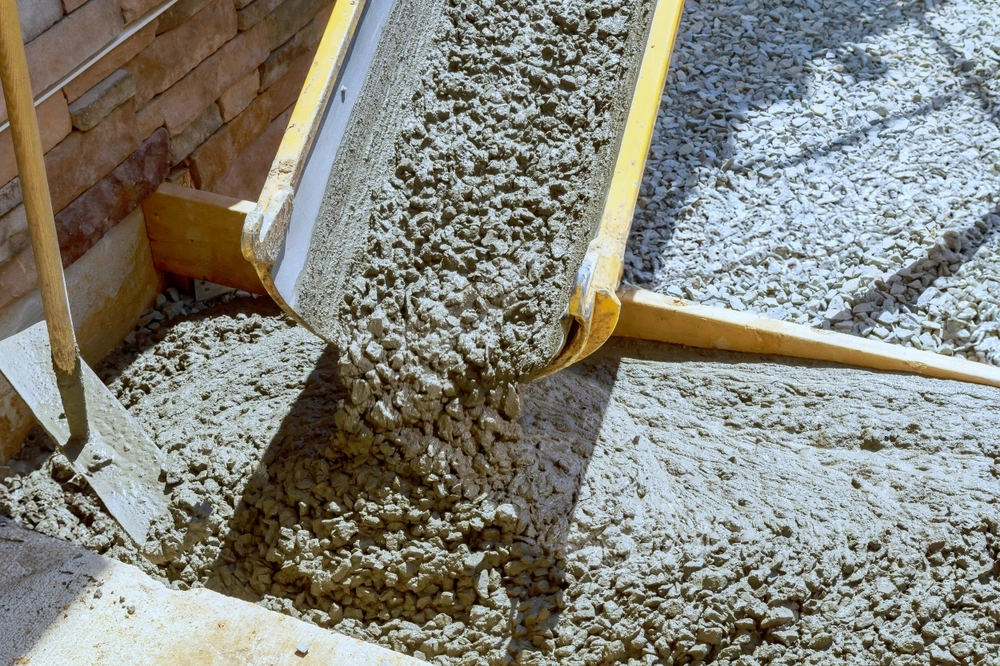
Site access is one of the biggest causes of unexpected delays on pour day. Even if the mix is batched on time, a truck that cannot safely reach the pour location or manoeuvre on site will be held up or sent away. Professional concrete suppliers always assess access as part of planning, but it is critical that builders and owners also check the site in detail before booking.
Thinking about truck size, slope, ground conditions and overhead obstructions early helps avoid last-minute changes to pump hire, extra labour or even cancellation fees. A quick walk through the access route with a tape measure and a realistic view of how the truck will turn and reverse can save hours on the day.
Standard agitator trucks are large, heavy vehicles. They typically need at least 3m clear width and 4m clear height along the entire access path, including the driveway street entry and between buildings or fences. If the truck must reverse into the site, there also needs to be enough straight run to line up safely without multiple tight shunts.
Tight corners, narrow driveways or sharp changes in level at the kerb can all prevent safe entry. Customers should measure gateway widths and check that parked cars, bins, scaffolding and building materials will not block the path. If the only access is a narrow lane or steep winding driveway, it is important to advise our team so we can assess whether a smaller truck or pumping solution is required.
Soft or unstable ground can stop a delivery even when space is adequate. Fully loaded concrete trucks are very heavy and can easily bog in wet grass, uncompacted fill or muddy construction tracks. The risk is greater after rain when surfaces that looked firm during planning have softened.
Before ordering, clients should check that access routes and the truck standing area are firm and level enough to support the weight. This may mean laying compacted road base steel plates or temporary mats where trucks will travel or park. Steep or cross slopes are another safety concern because they affect stability and braking, particularly when the truck drum is turning. Where slopes cannot be avoided, planning to use a concrete pump from a safer standing area is often the best approach.
Ordering the wrong mix or the wrong amount is one of the fastest ways to delay a pour. If the concrete is not suitable for the job or there is not enough on site, work can stop while a new load is batched or extra materials are organised. With a few checks before placing the order, ready-mix concrete suppliers can help prevent expensive stand-downs and cold joints.
Getting the mix and volume right starts with understanding how the concrete will be used on the day. Our team in Maitland can then match a suitable strength and slump, recommend additives if needed and confirm the correct quantity with an allowance for waste and site conditions.
Different applications need different mix designs. Ordering a generic mix for every job often leads to finishing problems, slow strength gain or surface failures that force work to pause.
Before ordering, contractors should confirm:
For example, a steep driveway in Maitland typically needs a higher-strength mix with a lower slump to prevent slumping and tearing when finished. A house slab may need a standard strength mix with a plasticiser for easier placing and reinforcing coverage. If in doubt, it is best to send our team the engineer’s drawings or specifications so we can match the required mix code and advise on any additives like retarders for hot days or accelerators for cool mornings.
Incorrect volume is a major cause of delays. Under ordering means the crew waits while an extra load is batched and delivered. Overordering leaves costly waste that must be disposed of and can create access and safety issues on tight Maitland sites.
To minimise problems contractors should:
Slabs and driveways often look flat, but variations in subgrade or mesh supports can quickly consume extra concrete. For stiff mixes, more waste allowance may be required because finishing edges and formed steps can be less precise.
Even with the right mix and calculated volume, mistakes can still occur if the order details are not double-checked. Before confirming a booking, it is important to review:
Providing clear access information and realistic pour rates lets our despatch team schedule trucks so the crew is never waiting on concrete and the load on site can be placed within the recommended time.
Nothing delays a pour faster than the truck turning up to a site that is not ready to receive the concrete. Once concrete is batched, the clock starts ticking on workable time, so any hold-up on site can affect quality and may incur waiting charges or even a returned load fee.
Maitland Ready Mixed Concrete recommends checking site readiness the day before and again on the morning of the pour. A simple walk-through with a checklist can prevent last-minute problems that stop the truck from discharging as soon as it arrives.
The first issue is often simple access. The truck must be able to reach the pour location or at least get close enough for chutes or a pump to operate safely. Before ordering, it is essential to check:
Soft ground, steep slopes or tight turns can stop a truck or make it unsafe to proceed. If a concrete pump is required, it also needs a stable setup area and clear hose routes. Overhead power lines, low tree branches or scaffolding can limit how close the truck can position, which may change how the pour is planned.
A site is not ready if formwork is incomplete, out of level or missing bracing. Formwork should be fully installed, checked for line and level and tightly fixed so it will not move when the concrete is placed and vibrated. Gaps or weak spots can lead to blowouts that waste concrete and force the pour to stop.
Reinforcement such as mesh or bars must be fully tied in position with correct cover blocks or chairs in place. Cutting or tying steel while the truck waits is a common and avoidable delay.
For slabs and paths the base should be prepared, compacted and trimmed to the final level before ordering concrete. Loose fill, standing water or rubbish in the pour area will all slow the start. If a plastic membrane or insulation is required, it must be laid, taped and free of tears.
Underground services should be located in advance so the pour crew knows where they are and does not stop work to investigate. Finally, there must be enough people and tools ready when the truck arrives. Screeds, vibrators, rakes, trowels and access boards should be set out with clear roles assigned.
Weather is one of the biggest variables that can delay a concrete delivery or force a last-minute change of plan. Before locking in a pour time, it is essential to think about how temperature, wind and rain will affect the concrete mix, the delivery window and the placing and finishing process.
Ready-mix concrete suppliers check forecasts closely and can often adjust mix designs to suit conditions. However, site crews still need to decide whether the planned time is realistic and safe given the expected weather.
Hot days can dramatically shorten the working time of concrete. Once the truck arrives, the mix may stiffen faster than expected, which makes it harder to place, finish and cure properly.
In high temperatures concrete can:
To avoid delays or rejected loads in hot weather, our team recommends early morning pours wherever possible so the truck can be on site before the heat builds. Shade structures, windbreaks and plenty of labour on site are important so the concrete can be placed quickly.
Cold conditions slow the setting of concrete and can extend finishing times well into the evening. This affects not only labour costs but also truck scheduling because return times blow out when the slab stays green for longer.
Low temperatures can lead to:
Clients should check overnight and early morning temperatures, not just the daytime high. If it is too cold first thing in the morning, a mid-morning or early-afternoon delivery may be more practical so the slab has some warmth for the initial set. On large pours, crews may need lighting and a plan for extended finishing times. Discuss timing with our despatch team so truck intervals are realistic for the weather.
Rain and strong wind can each delay pours for different reasons. Heavy rain at the plant or on the way to the site can stall loading or transport. Showers on site can ruin a fresh surface and force a postponement at the last minute.
Before ordering, contractors should check:
If light rain is possible but not certain, the site should be set up with plastic ready to cover fresh concrete quickly. Access routes need to be trafficable in wet conditions so trucks do not get bogged or damaged. Strong wind can increase evaporation, which affects set time and finish quality. Windbreaks and extra curing measures such as spray cure should be arranged before the pour to avoid delays in finishing or remedial work later.
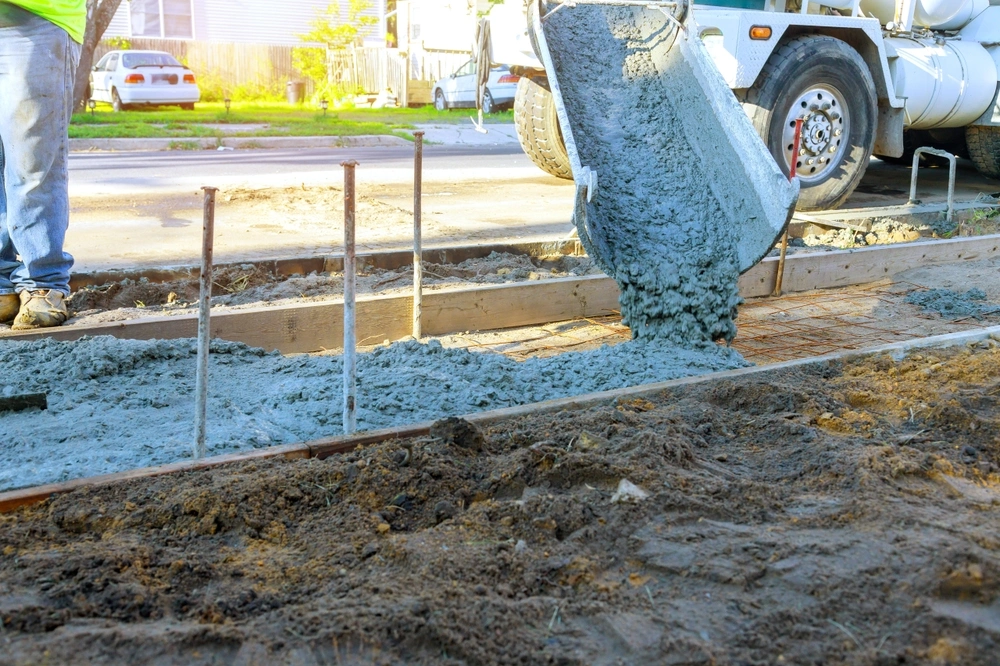
Many concrete delays start not at the plant but on site when pumping and placement have not been properly planned. Even if your professional concrete suppliers deliver on time with the right mix, the pour can stall if the pump cannot be set up, hoses will not reach or the crew is not ready to place and finish.
Thinking through how the concrete will move from the truck to the formwork and then setting this up before booking delivery is essential. Good pumping and placement planning protects concrete quality, keeps trucks turning and avoids expensive standby charges or cold joints.
The wrong pump type or an unclear access plan is a common cause of delay. Customers should decide early whether they need a line pump or a boom pump and confirm this with the pump supplier.
For tight residential sites or pours at the rear of a property, a line pump is often best, but line length and hose diameter must be checked. If the run is too long or involves excessive bends, the pump may struggle, which slows output and risks blockages. For multi-storey work or pours over structures, a boom pump is usually required. Boom length must be matched to the reach required, including set‑back from the slab edge or structure for safe outrigger placement.
Access for both the concrete truck and the pump truck needs to be clear and solid. Low trees, soft ground, steep driveways, overhead power lines and narrow entries all affect whether the pump can be safely set up.
On the day of the pour, the crew should know exactly where the pump will park, where outriggers will sit and how the hoses will be routed. Sorting this out after the trucks arrive is a major source of delay.
Line routes need to avoid sharp bends, door frames, fragile surfaces and trip hazards. Hoses should be kept as straight as possible and supported where they cross trenches or steps. If the line must run through a building, protection such as plywood sheets is needed to prevent damage and allow safe footing. The site should be clear of parked vehicles, stored materials and rubbish in the setup zone. If the pump operator cannot position the truck safely due to obstructions, the pour may be slowed or cancelled.
Even with the right pump setup, delays occur when the placement and finishing crew cannot keep up with the pump output. Before ordering concrete, Maitland Ready Mixed Concrete encourages customers to estimate how many cubic metres per hour the team can place the vibrate screed and finish.
If the pump can place 30 m³ per hour but the crew can only handle 15 m³ per hour, the operator will be constantly stopping, which increases the risk of blockages and cold joints. In these cases it is better to slow the delivery schedule or increase labour on the tools and on the screeds. For large slabs, zoning the pour and planning deliberate construction joints reduces the pressure to do too much at once.
Many pour delays start long before the truck leaves the plant. Small mistakes in booking, unclear instructions or missing site details can lead to wrong mix types, under- or over-ordering or trucks that simply cannot access the job. Ready-mixed concrete suppliers recommend a short set of pre-order checks so the order is accurate and the truck arrives on time, ready to pour.
By confirming site conditions, access, volume and pour timing before placing the order, contractors can avoid last-minute changes, extra cartage charges or concrete going off while problems are solved. Clear communication between site and supplier is the most reliable way to keep a pour on schedule.
Access problems are one of the most common and most preventable causes of delay. Before booking, the site supervisor should walk the access path from the street to the pour area and relay the details to ready-mix concrete suppliers.
Key checks include truck size limits, overhead obstructions and turning space. For example, note low power lines, tree branches, scaffolding, verandahs or tight driveways. If a standard agitator cannot get close enough, the supplier needs to know early if a smaller truck, line pump or boom pump is required.
If the pour is in a rear yard or on sloping ground, it is important to describe ground conditions such as soft soil, gravel or fresh backfill that may not support a loaded truck. Accurate information helps the supplier advise on realistic access options before booking a time.
Incorrect or incomplete order details are another major source of delays. Before calling to book, Maitland Ready Mixed Concrete recommends that the site team double-check:
If the placement method is by pump, chute or barrow, this should be confirmed at booking. Pumped pours often need different timing and slump to suit the pump and line length. If the supplier is not told it is a pump job until the truck arrives, adjustments on site can cost time and may not achieve the desired result.
It is also important to be realistic about discharge time. Large or complex pours may require staged deliveries at agreed intervals to avoid trucks waiting on site or concrete starting to set in the barrel.
Simple administrative errors can quickly turn into major delays. Concrete suppliers encourage customers to always confirm the booking details verbally and in writing where possible. This should include the site address, pour location within the site, ordered volume, mix specifications, delivery date and time and the name and mobile number of the person in charge on site.
The nominated site contact must be available by phone before and during the delivery window so the dispatcher and driver can clarify directions, gate codes or staging of multiple loads. If there are nearby projects using concrete, clear instructions on site signage and where trucks should queue will prevent trucks from entering the wrong site or blocking access.
Concrete delivery issues can turn a well-planned pour into an expensive problem in a matter of minutes. Delays on site do not just frustrate the crew; they affect finishing times, surface quality, joint placement and ultimately the durability of the slab or structure. Professional concrete suppliers see the same preventable problems arise again and again, from access restrictions and inaccurate quantities to mix specification errors and poor timing with other trades. Understanding these common pitfalls before placing an order gives contractors and owner-builders far more control over their schedule costs and end result.
Before placing an order, contractors should confirm that the delivery vehicle will be able to safely reach the pour location without obstruction or delay. Standard agitator trucks require adequate width, height and turning space throughout the access route, including driveways, gates and any tight site entries. Overhead obstructions such as power lines, scaffolding or tree branches must be identified early, as they may limit where the truck can position or whether a pump is required.
Ground conditions should also be assessed before booking. Soft soil, uncompacted fill or steep slopes can prevent trucks from accessing the pour area even if space appears sufficient. If there is any doubt, it is best to provide site photos or a brief sketch to your concrete suppliers so suitable truck size or pumping arrangements can be confirmed ahead of delivery.
Incorrect volume calculations and unclear mix specifications are a common cause of pour delays. Before ordering, contractors should double-check slab dimensions, footing trenches or driveway areas and convert measurements accurately to cubic metres.
The required mix strength, slump and any additives such as fibres, retarders or colour should be confirmed at the same time. Placement methods must also be communicated during booking. Pumped pours may require different slump or delivery intervals compared to chute pours. Providing this information early allows ready-mix concrete suppliers to schedule trucks correctly and avoid last-minute adjustments that can compromise timing or finish quality.
Concrete has a limited workable life once batched, so pour timing must match site readiness. Before locking in delivery, the crew should confirm that formwork reinforcement services and base preparation will all be complete prior to the truck arriving. Labour tools and finishing equipment must also be available to place and finish the load within the recommended time frame.
If multiple loads are required, delivery spacing should reflect how quickly the crew can place a vibratory screed and finish the concrete. Overly tight scheduling may cause trucks to queue on site, while wide intervals may result in cold joints between loads.
Simple communication errors can quickly turn into delivery delays. Contractors should always confirm the booking details, including site address, pour location, ordered volume, mix type, delivery time and nominated site contact. The person in charge on site must remain reachable by phone during the delivery window in case drivers require clarification on access or staging.
Finally, any changes to timing, volume or mix should be communicated to the supplier as early as possible. Even a minor schedule shift can affect batching and truck allocation. Early notice gives your professional concrete suppliers the best chance to adjust the booking without impacting the pour.
In the end, avoiding concrete delivery issues is less about solving problems on pour day and more about removing risk well before the truck leaves the plant. By confirming site access, ground conditions, mix specifications, volumes and realistic timing, contractors can prevent delays, cold joints and rejected loads before they happen. Clear communication between the site team, pump operator and concrete supplier ensures trucks arrive when the site is ready and the crew is prepared to place and finish efficiently.
That level of preparation protects your schedule, controls costs and delivers a professional result that performs as intended long after the pour is complete.
Call our friendly and highly experienced team today to get your concrete, sand, aggregate, and landscaping products.
-1.png)

