
What to Check Before Ordering Sand, Soil or Aggregate for Delivery
April 30, 2026
Before booking a delivery of sand, soil or aggregate with Maitland Ready Mixed Concrete, it is important to pause and confirm several critical details. The right material in the right quantity, delivered to the appropriate location at the right time, keeps projects efficient and costs under control, especially when sourcing landscaping products in Newcastle. Incorrect choices can lead to delays, wasted materials, site access issues and unnecessary cleanup. This article outlines what to confirm before placing an order to support confident decision-making for both small backyard projects and large construction sites.
Selecting the correct sand, soil or aggregate before booking a delivery is critical to getting a durable, safe and cost‑effective result. The wrong choice can cause drainage issues, structural failure, surface cracking or constant maintenance problems. Each material has specific properties that suit particular applications, so the decision should be based on how and where it will be used, not just on price or what is in stock.
Before placing an order, match the material to the project type, traffic load, exposure to weather and desired finish. Considering these factors upfront avoids expensive rectification later and ensures the delivered product performs as expected once it is on the ground.
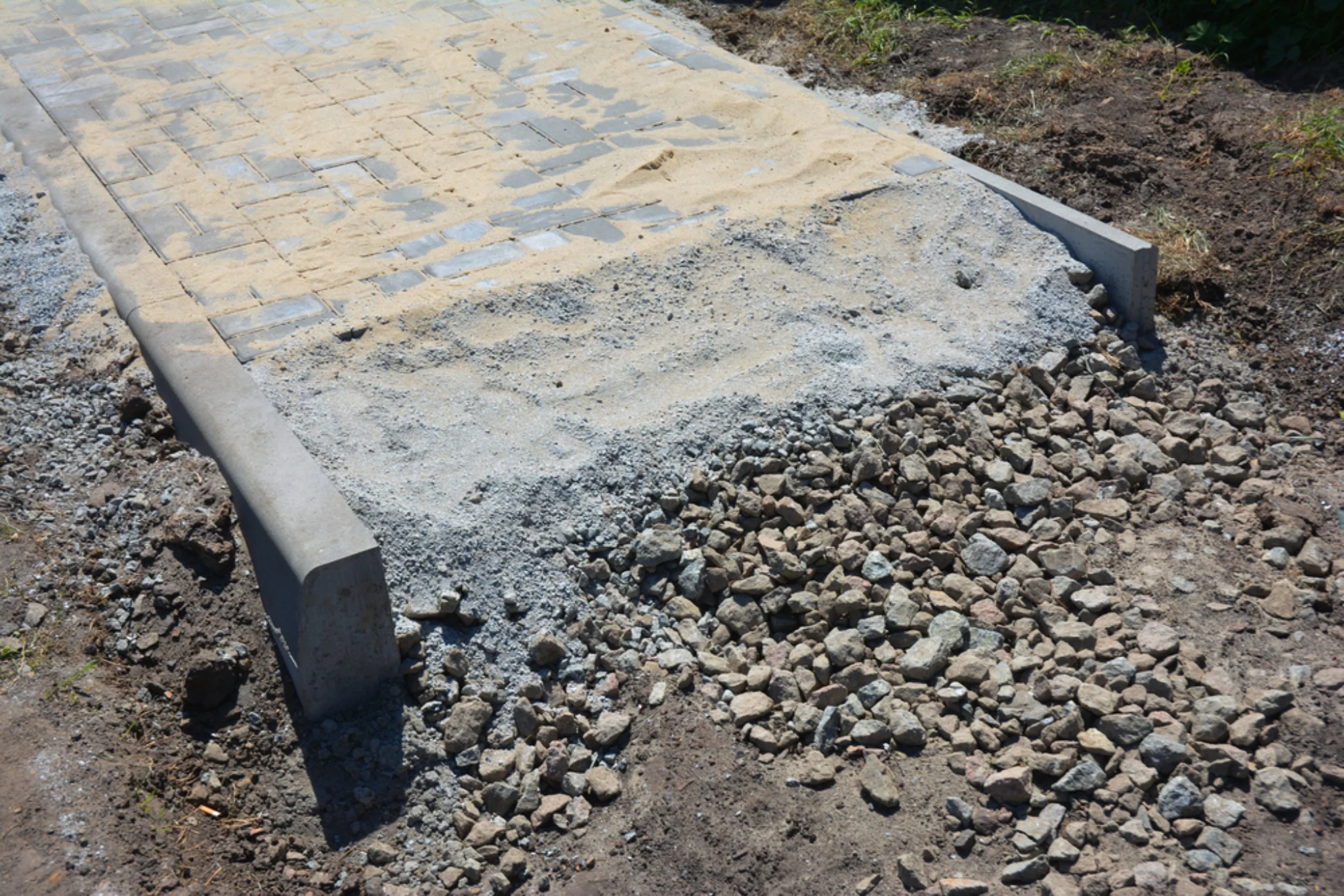
Different projects require different performance from sand, soil and aggregate.
For concrete work such as driveways, shed slabs or footpaths, aggregate size and grading are critical. A typical structural concrete mix uses a blend of coarse aggregate and concrete sand that delivers strength and workability. Using landscaping sand or ungraded aggregate can weaken the slab and increase cracking.
For paving and pathways, the base material must compact firmly and drain well. A graded crushed aggregate with fine particles that lock together is preferred under concrete pavers or brick paths. Bedding sand for pavers should be clean and consistent so the pavers sit level and do not pump or move underfoot.
For gardens, lawns and raised beds, soil quality affects plant health and water use. A garden blend of topsoil with organic content suits most planting, while turf underlay needs to be free-draining with enough fines to hold moisture without becoming waterlogged. Filling holes or raising ground levels usually calls for a more economical fill or verge soil rather than premium blends.
The site slope, existing soil and how wet the area becomes influence the best choice.
In low-lying or poorly drained areas, open-graded aggregates that allow water to move away from the surface are usually preferred under driveways and paths. Materials that hold too much water can lead to soft spots, rutting and premature failure under vehicle loads.
On steep sites or where erosion is a risk, a well-graded compactable material helps create a stable base that resists washout. Coarse decorative gravels may look appealing but often move easily unless contained by edging and underlain by a compacted base.
Product names vary, so it is important to understand grading and typical uses before ordering.
Coarse concrete sand suits slab work and is a component in some screeds. Fine washed sand is more appropriate for rendering or as a soft fall under play equipment. Using a very fine sand as a base under pavers can cause shifting, as it does not lock in as well when compacted.
For aggregates, size determines performance. Larger stones are often used for drainage trenches and stabilising very soft ground. A blend of fines and small stone is used where strong compaction is essential. Decorative gravels are selected primarily for appearance but should still be sized appropriately so they are comfortable to walk on and do not migrate excessively.
Soil blends should be selected by intended use, not just by name. Check whether a mix is designed for general landscaping, turf establishment or vegetable gardens, as nutrient levels, structure and organic content differ between these categories.
Correctly estimating volume before ordering avoids shortfalls that delay work and expensive oversupply that sits unused. The key is to convert the area and depth of the project into cubic metres, then adjust for compaction or settlement depending on the material and application.
Most landscape and building materials are supplied in cubic metres. For planning any job in Maitland or the Hunter region, it is more accurate to work in metric measurements and let the supplier convert the order into truck loads.
Raw calculations give the finished compacted volume. Many materials fluff up or settle, so the delivered loose volume must be higher.
Confirm the suitable allowance with the supplier based on the specific product and whether machine compaction will be used.
Depth assumptions have a large impact on volume, so use realistic figures for the intended use.
After calculating and adjusting volumes, compare the final figure with the vehicle access and tipping space on site so deliveries are in manageable loads rather than a single oversized drop.
Before booking sand, soil or aggregate delivery, confirm that a truck can reach the property safely, has room to tip and that the ground can support the load. Overlooking these points risks failed deliveries, extra handling costs and damage to driveways or underground services.
Careful checks of gate widths, low structures, overhead lines and ground conditions help determine the right truck size and the safest tipping location. Accurate information provided at the time of booking allows the dispatcher to plan the delivery and avoid delays.
Delivery trucks require clear and safe access from the street to the tipping point. A standard tipper or concrete truck is significantly larger and higher than a typical vehicle, so tight residential streets or rural driveways can present problems.
Measure gate openings and driveway widths, paying attention to tight bends, retaining walls and garden beds that could restrict turning. Check the height of carports, awnings, trees and overhead cables against the likely truck height. Any restriction should be reported in advance so a suitable vehicle or alternative tipping point can be arranged.
Steep or loose driveways can be hazardous when loaded. Gravel, wet grass or clay surfaces increase the risk of a truck becoming bogged or sliding. If access is marginal, consider whether delivery to the kerb with materials moved by machinery or a barrow is safer.
The tipping area must be level, stable and large enough for the truck to sit fully on solid ground with room to raise the body. A clear, flat space is needed in front and above the truck to avoid contact with trees, eaves or powerlines when the body lifts.
Ensure the planned tipping spot is away from pedestrian paths and doorways to prevent people from walking behind or under a raised body. Keep children and pets indoors until the delivery is complete. On sloping sites, loads should not be tipped on steep gradients where material could slide or roll.
Locate the pile so it does not block vehicle access to garages or neighbouring properties. If material must be placed on a public road or verge, check local council requirements in advance, as permits or traffic control may be needed.

Fully loaded trucks exert high pressure on the ground. Decorative paving, thin concrete, old pipes or poorly compacted fill can crack or collapse under the weight. If unsure about a driveway’s capacity, consider tipping on the street or a more robust area.
Identify the location of underground services such as water, sewer, stormwater, gas and phone lines, especially where they are shallow or recently installed. Avoid positioning the truck or the load directly over trenches or backfilled service lines that may not be well compacted.
The weather should also be considered. Recent rain can soften soil and lawns, making bogging more likely and causing deep ruts. If the site is very soft, it may be preferable to reschedule the delivery or nominate a harder standing area closer to the road.
Getting the timing right is critical for sand, soil or aggregate delivery. Poor planning can lead to trucks waiting on-site, materials sitting in the weather unused or trades standing idle. Before placing an order, it is essential to choose a delivery day and time that matches site readiness, access conditions and downstream work such as concreting or landscaping.
A well-timed delivery reduces double handling, minimises waste and keeps projects on schedule. Consider how long placement and spreading will take, who will be available to help and what else is happening on the property that day.
Always select a day when the site is accessible and someone responsible can be present for the full delivery window. Aggregate trucks often operate on scheduled time slots, but traffic, earlier jobs and weather can affect exact arrival times, so some flexibility is needed.
Morning deliveries are usually preferred for larger loads or when materials are needed the same day for concreting or structural work. Afternoon deliveries suit situations where the material will be stockpiled for use over several days. Avoid booking for times that clash with school pick‑up periods or known local traffic congestion, which can delay heavy vehicles.
Public holidays and some weekends can limit available drivers or loading capacity. Check lead times in advance, particularly in busy construction periods such as the lead‑up to Christmas or at the start of major local projects when demand for quarry products increases.
Weather heavily affects delivery. Heavy rain can delay quarry loading or make access tracks and driveways unsuitable for loaded trucks. Clay soils in particular become slippery and can rut under heavy vehicles, damaging the property or stranding the truck.
For soil and some sands, it is often better to avoid delivery in very wet conditions, as this can increase moisture content and weight, making the material harder to spread and compact. Aggregate used under slabs or for drainage ideally arrives when the subgrade is prepared and not saturated, so levels and compaction can be achieved accurately.
Before confirming a date, assess whether the site is likely to dry out in time. If persistent rain is forecast, it may be safer to book a later window rather than risk same‑day cancellation or costly on‑site delays.
Delivery should line up with when machinery or labour will be available to move and place the material. For example, schedule road base or crusher dust when a bobcat or excavator is already booked so the load can be spread immediately rather than sitting in a pile that obstructs access.
If concrete trucks follow sand or aggregate deliveries, allow enough time for placing and compacting the base layer and for any required inspections. A realistic gap between loads helps avoid rushed work and rehandling. When multiple products are required on the same project, consider staggering deliveries across the day so trucks do not compete for limited access points or tipping areas.
Ordering looks straightforward, yet a few common oversights can quickly cause delays, extra costs or material going to waste. Understanding where deliveries typically go wrong makes it much easier to plan and avoid disruption to site schedules.
Most issues stem from incomplete information at the time of ordering or assumptions about truck access and site conditions. Checking a few key details before booking can prevent the need for return trips, stand downs or last-minute changes to the product or quantity.
Underestimating or overestimating the required volume is one of the most frequent causes of delivery problems. Guessing instead of calculating the cubic metres needed can leave a project short of material or paying for surplus that cannot be used or safely stockpiled.
Measurements should be taken in length, width and depth, then converted to cubic metres with some allowance for compaction or trimming. For example, driveway base preparation usually requires more aggregate than expected due to the depth needed for a stable subbase. Relying on wheelbarrow loads or rough visual estimates almost always leads to inaccuracies.
Truck access is another major source of delivery issues. Assuming a truck can reach a drop point without checking clearances, surfaces and turning room often results in drivers being unable to tip where intended.
Before ordering, confirm the following:
If a truck cannot safely reach the nominated area, the load may need to be dropped on the street or at the front of the property, which can create extra handling work and potential safety or council issues. In some locations, timed delivery windows or traffic control may also be required but are not considered until the truck arrives.
Another common mistake is ordering the wrong material for the intended use or mixing products that do not work well together. For example, decorative stones chosen purely for appearance may be unsuitable for driveways or high-traffic paths, while some soils lack the structure needed for turf underlay.
Confusion also occurs between different grades of sand, such as paving sand versus concrete sand or between drainage aggregate and compactable road base. The result can be poor performance issues with compaction or the need to remove and replace material.
The success of any project involving sand, soil or aggregate depends on preparation completed before delivery. Careful checks of material specifications, access conditions, site readiness, quantity calculations, local requirements and timing help minimise delays, waste and costly rework. A clear understanding of how different materials perform in different conditions. Working with an experienced provider supports accurate ordering, reliable delivery and better coordination with site constraints.
Call our friendly and highly experienced team today to get your concrete, sand, aggregate, and landscaping products.
-1.png)

