
Why Concrete Sets Too Fast or Too Slowly: Common Causes and What to Do
July 16, 2026
Concrete that sets too fast or too slowly can quickly turn a routine pour into an expensive setback. Surface cracking, poor finishes, construction delays and wasted materials are all possible when concrete does not perform as expected. As a trusted supplier of ready mixed concrete in Newcastle, Maitland Ready Mixed Concrete understands that consistent, high-quality results begin with recognising the factors that influence concrete from batching and delivery through to placement, finishing and curing.
This article explains the most common reasons concrete may set faster or slower than expected, including mix design, weather conditions, site preparation, delivery timing and placement practices. It also examines how excess water, unsuitable admixture dosages, extreme temperatures and poor finishing decisions can affect workability, strength and long-term durability. By understanding these factors, contractors, builders and property owners can plan pours more effectively and achieve a reliable, durable finish.
Concrete setting time refers to how long freshly mixed concrete remains workable before it begins to stiffen and harden. If it sets too quickly, the crew may not have enough time to place, compact, level and finish it correctly. If it sets too slowly, the surface can remain vulnerable for longer and delay joint cutting, formwork removal and other construction activities.
Setting time is not simply a technical detail on a mix specification. It directly affects surface quality, crack control, labour requirements, project timing and site safety. Understanding how concrete is likely to perform allows the supplier and placement crew to choose an appropriate mix, prepare the site properly and adjust the pour plan when conditions change.
Finishing must take place within a suitable window. The concrete needs to be firm enough to support the finishing process while remaining workable at the surface.
If concrete sets too quickly, the surface may become:
Rushed or incorrect finishing can contribute to weak surface layers, dusting, scaling and poor floor tolerance.
Concrete that remains soft for too long creates different problems. Bleed water may remain on the surface for an extended period, delaying final finishing. If workers begin finishing before the bleed water has evaporated, moisture and air can become trapped beneath a dense surface layer. This can lead to blistering, delamination, flaking or a weak, dusty finish.
Correct setting time allows placement, strike-off, bull-floating, edging and final finishing to occur in a controlled sequence. Each step should be guided by the actual condition of the concrete rather than a fixed time on the clock.
Setting and early hardening mark the beginning of strength development. Although setting time alone does not determine final strength, unusually rapid or delayed performance can create conditions that affect long-term durability.
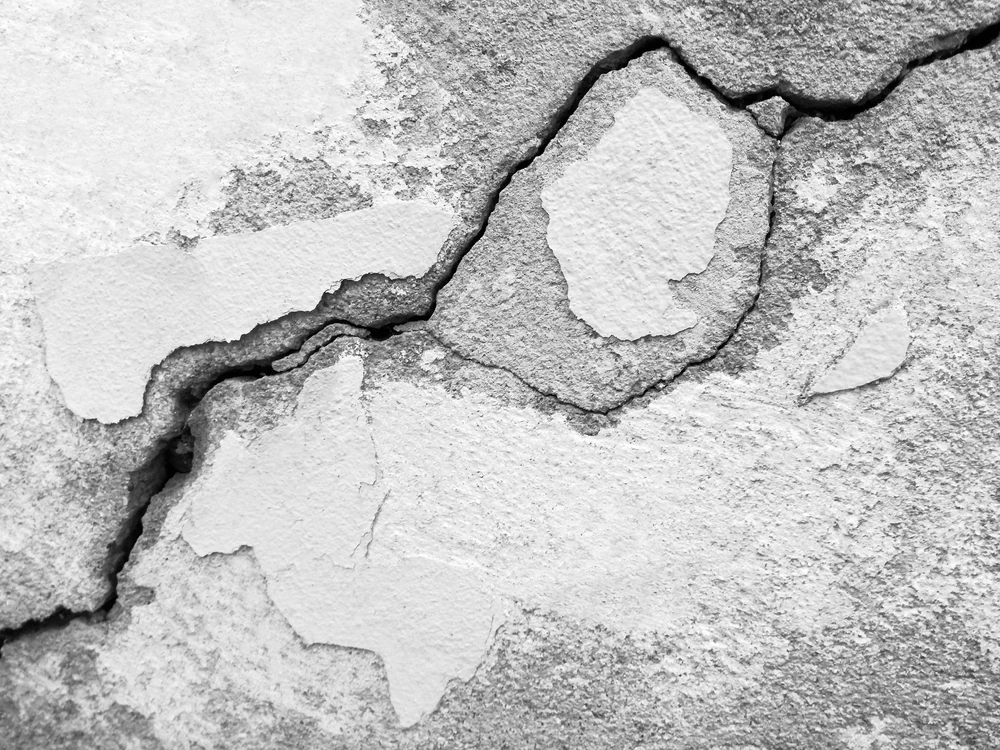
Concrete that stiffens very quickly may be difficult to compact and finish properly. It can also create cold joints if newly placed concrete cannot bond effectively with an adjoining section that has already started to harden.
Rapid surface moisture loss can also contribute to plastic shrinkage cracking. These cracks form while the concrete is still fresh and occur when moisture evaporates from the surface faster than it can be replaced by bleed water.
Concrete that sets slowly is not automatically weak. Properly protected concrete placed in cooler conditions may develop strength more gradually while still achieving good long-term performance. Problems are more likely when the concrete:
Slow-setting concrete may also remain vulnerable to rain damage, footprints, equipment marks, falling debris and premature traffic for longer than expected.
Setting time affects labour planning, equipment use, formwork cycles and follow-on trades.
Concrete that sets too quickly may require additional workers to keep up with placement and finishing. If the surface cannot be completed properly, remedial grinding, resurfacing or topping may be required.
Concrete that takes longer to set can delay:
Rapid setting can encourage workers to rush, increasing the likelihood of finishing mistakes, unsafe lifting and poor coordination. A delayed set can keep crews on site late into the evening, when fatigue and reduced visibility may increase safety risks.
Predictable setting behaviour supports safer work practices and more reliable construction scheduling.
Concrete that stiffens sooner than expected can be difficult to place, compact and finish. Rapid setting is often caused by a combination of high temperatures, unsuitable mix characteristics, long delivery delays, certain admixtures or rapid surface moisture loss.
Identifying the likely cause is important because a concrete mix that feels stiff is not always chemically setting too quickly. Slump loss, surface drying and actual cement setting are related but different issues.
High concrete temperature is one of the most common causes of shortened working time. High concrete temperature is one of the most common causes of shortened working time, which is why appropriate precautions are important during hot- and cold-weather concreting.
Fresh concrete can become hotter because of:
Concrete placed during the hottest part of the afternoon will generally lose workability more quickly than concrete placed during cooler morning conditions.
Hot, dry and windy weather also increases the risk of plastic shrinkage cracking. The surface may begin drying before the concrete has developed enough strength to resist shrinkage stresses.
Helpful planning measures may include:
Fogging the air above the slab or using an approved evaporation retardant may also help control moisture loss. Water should not be sprayed directly onto the concrete surface to make finishing easier, as this can weaken the surface layer.
The materials and proportions used in a concrete mix influence workability, slump retention, early strength and setting behaviour.
A low water-to-cement ratio can produce concrete with high strength and durability, but it may also make the mix feel stiffer or less workable. This does not necessarily mean the concrete is chemically setting faster. Actual setting time also depends on factors such as:
High-early-strength cement or a mix designed for rapid early strength gain may reduce the available working window. This can be useful where early loading or formwork removal is required, but it must be matched to the crew size, site access and finishing method.
Where extended workability is needed, the supplier may consider adjustments such as:
Any adjustment should be agreed upon before batching. Uncontrolled changes made on site can affect strength, durability and consistency.
Accelerating admixtures may be used to increase early strength development or reduce delays in cold conditions. Problems can occur when:
The supplier should be informed of the required placement method, weather conditions and desired finishing window so the admixture dosage can be selected appropriately.
Sometimes the surface appears to set faster than the concrete below it. This can happen when strong wind, low humidity or direct sun removes moisture rapidly from the top layer.
The concrete may still be plastic internally while the surface becomes dry, crusted or difficult to finish. Attempting to trowel through this crust can tear the surface and create an inconsistent finish.
Windbreaks, shade, fogging above the slab and approved evaporation-control products can help reduce rapid moisture loss. Directly adding water to the concrete surface should be avoided.
Concrete begins undergoing chemical reactions as soon as cement and water are combined. Long delays between batching and discharge reduce the available working time.
Possible causes include:
Concrete should not be left waiting while the site is still being prepared. Forms, reinforcement, access, pumps, tools and finishing crews should be ready before the first load arrives.
Concrete that stays plastic or soft longer than expected can interrupt construction schedules and leave the surface exposed to damage. Slow setting is commonly associated with low temperatures, excessive water, unsuitable retarder dosages or particular cement blends.
A slow set does not necessarily mean the finished concrete will be weak. However, the concrete must be protected from damage and allowed enough time to gain strength before it is loaded, cut or stripped.
Low temperatures slow the chemical reaction between cement and water. This means concrete can remain workable longer and gain early strength more slowly.
Slow setting is more likely during:
Cold subgrade, reinforcement and formwork can draw heat from the fresh concrete. Concrete should not be placed on frozen ground or against icy surfaces.
In cooler conditions, useful measures may include:
Direct flames or very hot air should not be aimed at fresh concrete. Aggressive heating can dry the surface while the concrete beneath remains soft, increasing the risk of cracking, crazing and uneven hardening.
Excess water is a common cause of delayed setting and poor concrete performance. It may enter the mix through:
Adding water increases the water-to-cement ratio. This can reduce strength, increase shrinkage and contribute to bleeding, segregation, surface dusting and poor durability.
Concrete should not be retempered with water once it has begun to lose workability. Where additional workability is required, the supplier should be consulted about using an appropriate plasticiser or superplasticiser within the approved mix design.
Retarding admixtures are useful when concrete needs to remain workable for longer, particularly during hot weather, long-distance delivery or complicated placements.
An extended delay may occur when:
The supplier should be given accurate information about the weather, delivery distance, placing method and expected finishing duration before the mix is ordered.
Concrete containing supplementary cementitious materials, such as fly ash, may develop early strength more slowly than a mix relying primarily on general-purpose cement. The actual effect depends on the material, replacement level, temperature and complete mix design.
These blends can provide long-term durability and performance benefits when used correctly. However, they may require additional planning for:
A slower early response should not be treated as a defect when it is an expected part of the specified mix.
Internal slabs and enclosed spaces can have limited airflow and high humidity. These conditions reduce surface evaporation and may allow bleed water to remain visible for longer.
Finishing must be delayed until bleed water has disappeared naturally. Ventilation may be useful, but strong drafts should be avoided because they can dry some parts of the slab faster than others.
Even a well-designed concrete mix can perform poorly when the site is not ready. Planning should also account for site cleanliness, leftover materials and applicable construction and demolition waste requirements before concrete delivery begins. Ground conditions, access, delivery timing and placement sequencing all influence how consistently concrete sets across a slab or structural element.
The subgrade should be firm, compacted, level and appropriately drained.
A dry, highly absorbent base can draw moisture from fresh concrete, contributing to rapid stiffening near the bottom of the slab. A saturated, muddy or poorly drained base may cool the concrete and contribute to inconsistent performance.
Before placement:
The base should be damp where required, but not wet enough to create pooling or contaminate the mix.
Formwork should be clean, secure and properly aligned. Absorbent forms may need suitable preparation so they do not draw excessive moisture from the concrete.
Standing water, debris, old concrete and other contaminants should be removed before placement. Reinforcement and embedded items should also be correctly positioned and secured so the placement crew is not forced to stop midway through the pour.
Thick slabs, footings and other large concrete sections require careful temperature and finishing management.
The surface may continue bleeding while the interior retains heat generated by hydration. This means the apparent surface condition may not reflect what is happening deeper within the section.
Large sections can develop significant temperature differences between the warmer internal concrete and the cooler external surface. If these differences become excessive, thermal cracking may occur.
The placement and curing plan for thick sections may need to address:
Large structural pours should be coordinated with the concrete supplier and project engineer.
Difficult access can reduce the available finishing window.
If concrete must be transported long distances using wheelbarrows, chutes or pump lines, the first sections placed may begin stiffening before later sections are completed. Planning for safe access and understanding potential concrete pumping hazards can help prevent delays, equipment issues and risks to workers.
Before ordering, confirm:
A clear placement sequence helps keep the pour moving steadily.
Delivery intervals should match the crew's actual ability to place, compact and finish the concrete.
Loads arriving too quickly can overwhelm the site. Loads arriving too slowly can create joints between sections or leave workers waiting while placed concrete begins to harden.
Small crews may need:
The supplier should be told about labour limits, access restrictions and expected placement rates before the order is finalised.

When concrete begins setting too quickly or remains soft for longer than expected, improvised fixes can cause lasting damage. The priority should be to protect the concrete, stabilise site conditions and contact the supplier when necessary.
Adding water to stiff concrete may temporarily make it easier to move, but it changes the water-to-cement ratio and can reduce strength and durability.
Possible consequences include:
Water should not be sprayed directly onto the surface to help with finishing. Workability adjustments should be made through the supplier using approved admixtures or controlled procedures.
Bleed water should be allowed to rise and evaporate before final finishing begins.
Finishing too early can trap water and air below the surface, creating a weak layer that may blister, delaminate, scale or produce dust.
Workers should avoid using dry cement, sand or other powders to absorb surface water. These materials create an inconsistent layer with different shrinkage and strength characteristics from the concrete below.
Repeated trowelling does not correct every setting problem. Overworking the concrete can bring excessive paste and fines to the surface and create a dense, weak or discoloured layer.
Trying to finish concrete after it has already begun to harden can cause:
Finishing should be based on the concrete's actual condition. The surface should support the worker and equipment without excessive indentation, and visible bleed water should be gone.
Open flames, high-temperature blowers or concentrated heaters should not be aimed directly at fresh concrete.
Direct heating can dry the surface much faster than the interior, leading to:
Where temperature control is needed, the surrounding environment should be warmed gradually and the concrete protected using suitable enclosures or insulation.
Spreading dry cement or a cement-and-sand mixture over soft concrete is not a suitable way to absorb water or accelerate finishing.
This can form a thin, brittle surface layer that does not bond properly with the concrete beneath it. Over time, the layer may flake, delaminate or wear away.
Construction activities should follow the concrete's actual strength and condition rather than the original programme when setting is delayed.
Premature activity may cause cracking, edge damage or structural movement. Activities that may need to be postponed include:
Required strength should be confirmed before structural loads or critical follow-on work begins.
Setting and curing are closely related, but they describe different stages.
Setting is the process in which fresh concrete loses workability and begins to harden. Correct concrete curing maintains suitable moisture and temperature after placement and finishing while the concrete develops strength.
Curing does not reset concrete that has already set too quickly or too slowly. However, correct curing can significantly improve:
Curing should begin as soon as the surface is hard enough to avoid damage. Depending on the project, suitable methods may include curing compounds, wet coverings, plastic sheeting or other specified systems.
The selected curing method should suit the concrete finish, environmental conditions and any later coatings or floor coverings.
Early communication with the supplier can prevent many problems associated with setting time. The mix, delivery plan and placement schedule should reflect the actual job rather than relying on a standard approach for every pour.
The supplier should be informed when concrete will be placed in:
Depending on the conditions, the supplier may discuss suitable admixtures, slump retention, load sizes, delivery intervals or concrete temperature management.
Site measures such as shade, windbreaks, insulation and additional curing preparation should also be organised before placement begins.
The supplier should receive all relevant project information, including:
Structural concrete should always comply with the project design and relevant specifications. Mix changes should not be made without approval where engineering requirements apply.
Decorative and surface-critical concrete requires a predictable finishing window.
The supplier should be informed when the project involves:
The placement team should also understand how the selected materials, weather and finishing method may affect timing and appearance.
Small crews, owner-builders and difficult-access sites often need additional planning.
The supplier should know when:
The delivery schedule can then be matched to the site's realistic placement rate.
Large pours require careful coordination between the batch plant, trucks, pump operator, placement crew and finishing team.
Staged placement may also need planning to prevent unwanted cold joints. The supplier and project team should agree on:
Concrete setting time is influenced by several connected factors rather than one single cause. The most reliable results come from coordinating the mix design, weather conditions, site preparation, delivery timing and placement method before the pour begins.
A practical pre-pour checklist should include:
Once placement begins, the crew should monitor the concrete itself rather than relying solely on expected timings. Changes in temperature, wind, humidity and delivery speed can all affect performance on the day.
Achieving the right concrete setting time is not a matter of chance. It depends on careful planning, an appropriate mix design and good practices from delivery through to placement, finishing and curing. Weather, concrete temperature, moisture levels, admixtures, site access and crew capacity can all influence how long the concrete remains workable and how successfully it develops strength.
Maitland Ready Mixed Concrete recognises that consistent results begin with choosing a mix suited to the project and communicating site requirements before the concrete is ordered. By working with an experienced supplier, preparing the site correctly and avoiding uncontrolled on-site changes, builders and property owners can reduce the risk of cracking, poor finishes, strength loss and unnecessary delays.
A proactive approach to setting time gives every pour a better chance of achieving the required appearance, durability and long-term performance across residential, commercial and civil construction projects.
Call our friendly and highly experienced team today to get your concrete, sand, aggregate, and landscaping products.
-1.png)

