
Concrete Durability Challenges in Regional Australia (And How Mix Design Helps)
January 21, 2026
Concrete durability in regional Australia is shaped by climate extremes, site exposure and logistics that differ from metropolitan construction. At Maitland Ready Mixed Concrete, we work closely with regional builders and developers to design mixes that perform reliably under these demanding conditions.
This guide is for homeowners, builders, engineers and developers working outside capital cities who need concrete that performs well beyond initial strength testing. Durability matters because cracking, moisture ingress and premature wear often lead to avoidable repairs, compliance issues and reduced asset life.
In this article, we explain why regional conditions place greater stress on concrete and how thoughtful mix design helps deliver reliable, long-lasting results when working with a concrete supplier in Newcastle and the surrounding regions.
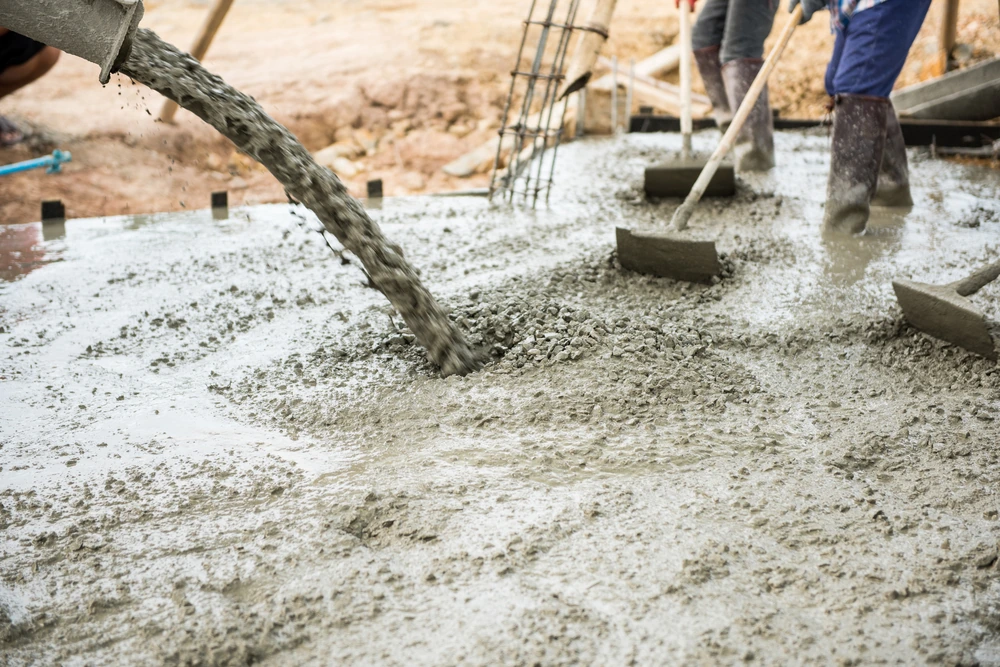
Concrete is exposed to more environmental stress and fewer site controls than most urban projects. Weather extremes, open sites and longer delivery routes all influence how concrete behaves during placement and curing.
Because these factors often occur simultaneously, durability risks compound quickly if they are not addressed early. Understanding why regional conditions are harsher is the first step in preventing long-term performance issues.
Different climates frequently combine high daytime temperatures, drying winds, coastal salt exposure and fluctuating humidity. These conditions affect setting time, surface moisture retention and long-term resistance to environmental attack.
When environmental effects are underestimated, concrete can begin deteriorating almost immediately after placement. The following impacts are most significant:
Environmental exposure is not a secondary concern. It must be built into the mix design and placement planning from the outset to protect durability.
Regional projects often involve longer haul distances from batching plants to the site. These extended transport times can affect workability, temperature and consistency before concrete is placed.
Site access limitations, weather interruptions or staging constraints can further delay placement and finishing. Common challenges you may encounter are:
Transport and placement realities directly influence concrete quality. Mixes must be designed to maintain performance across realistic delivery timeframes.
Durability problems in regional concrete often appear earlier because environmental stress begins immediately and continues throughout the structure’s life. Temperature swings, moisture cycling and exposure to aggressive elements place constant strain on concrete.
Without adequate resistance built into the mix, these stresses lead to progressive cracking and surface breakdown. Accelerated wear commonly shows as:
Regional exposure speeds up deterioration when durability is not prioritised. Designing for resistance rather than minimum compliance is essential.
Many durability failures seen in regional projects stem from mismatches between mix design and site conditions. These problems are often mistaken for workmanship issues when the underlying cause is material performance.
Identifying common failure patterns helps prevent repeated mistakes and improves long-term outcomes.
Early cracking is one of the most visible durability concerns on regional sites. It typically develops soon after placement when moisture loss outpaces hydration.
Even when structural strength is adequate, surface defects reduce serviceability and appearance. Issues homeowners commonly face:
Early cracking is usually preventable. Appropriate mix design and early curing protection are critical to surface integrity.
Concrete strength development depends on controlled curing. In regional environments, curing is often compromised by heat, wind or limited site supervision. When curing is interrupted, hydration slows or stops before design strength is reached.
Consequences could be:
Poor curing permanently limits concrete performance. Strength losses caused early cannot be recovered later.
In coastal and high-moisture regions, durability issues often develop gradually rather than immediately. Moisture and salts penetrate porous concrete eventually, attacking reinforcement and internal structure. Without a dense, well-designed mix, deterioration accelerates as exposure continues.
Long-term risks include:
Long-term durability failures are slow but costly. Preventing moisture ingress is far more effective than repairing damage later.
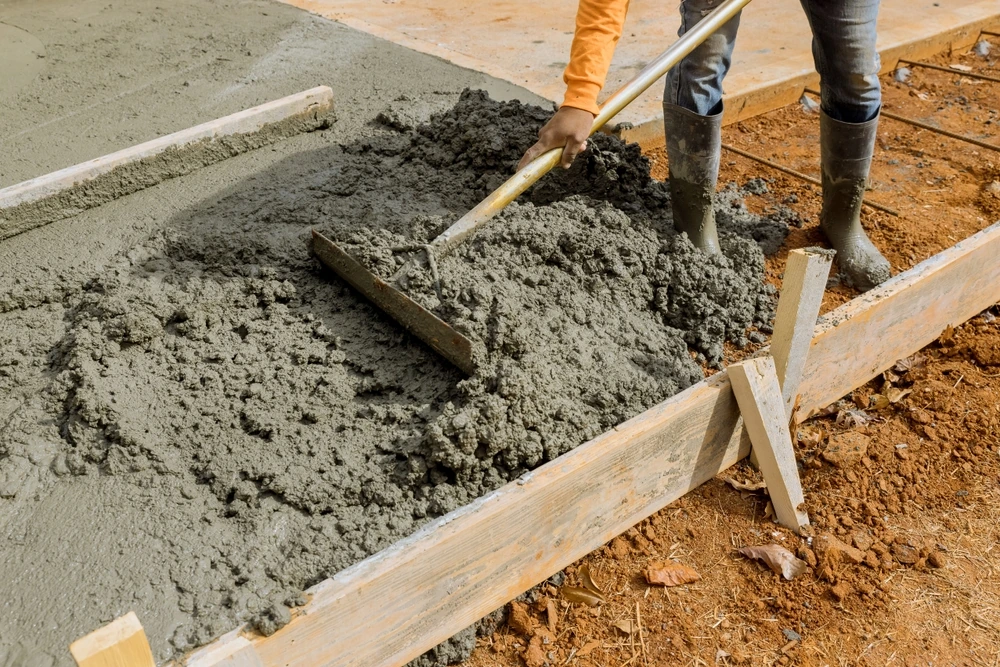
Mix design plays a role in how concrete behaves during placement and how well it withstands environmental stress over decades of service. Durability-focused mixes are engineered to control permeability, manage shrinkage and support consistent hydration under real site conditions, not just laboratory testing.
While strength is important, it alone is not a reliable indicator of long-term performance, especially in exposed regional environments.
The balance between cement and water directly affects pore structure and permeability. Excess water increases workability but leaves behind voids that weaken durability. Lower water-cement ratios create denser, more resilient concrete.
Durability benefits to remember:
Water control is one of the most important durability factors. Managing ratios correctly protects strength and lifespan.
Supplementary cementitious materials are widely used in concrete to improve durability under harsh conditions. They refine internal structure and moderate hydration behaviour. SCMs are particularly valuable in regional and coastal environments.
Here are some of its advantages:
SCMs are a durability tool, not just a sustainability choice. They improve resistance to environmental attack.
Concrete must be workable enough to place correctly while still meeting durability targets. Over-engineering strength at the expense of workability often leads to on-site adjustments that undermine performance. A balanced mix supports both construction practicality and long-term resilience.
Balanced design delivers:
The best concrete is balanced, not extreme. Durability improves when strength and workability support each other.
Construction environments outside major cities rarely follow a one-size-fits-all pattern. Climate conditions, exposure levels and delivery logistics can vary between coastal locations, inland regions and elevated sites. Concrete performs best when mix designs are tailored to the realities of each location rather than relying on generic specifications that may not account for local challenges.
Coastal projects require protection against chlorides, while inland sites often face heat and drying challenges. Exposure classification should guide mix selection from the start. Design adjustments are essential for compliance and longevity.
Adaptations may include:
Location matters. Matching the mix design to exposure conditions significantly extends concrete service life.
Curing must respond to local weather, not just standard practice. Regional sites often require more active curing methods to protect early-age concrete. Effective curing supports hydration and surface strength.
Practical strategies often focus on:
Curing is a durability control measure. Adjusting methods to weather conditions protects long-term performance.
Durability problems often originate before concrete arrives on site. Early engagement with suppliers allows mixes to be designed around access, climate and scheduling realities. As professionals, early collaboration consistently leads to better outcomes and fewer rectification costs. Always remember that early planning reduces risk. When suppliers are involved early, durability becomes a design outcome rather than a hope.
Concrete durability depends on recognising environmental pressures and responding with appropriate mix design, curing and planning. When these elements are aligned from the beginning, concrete delivers stronger performance, fewer defects and longer service life. At Maitland Ready Mixed Concrete, we see every day that durability starts well before the pour, with the right mix for the right conditions.
Call our friendly and highly experienced team today to get your concrete, sand, aggregate, and landscaping products.
-1.png)

