
Why Concrete Cracks and How to Reduce the Risk
March 18, 2026
Concrete is one of the most durable building materials used in homes, driveways and commercial projects, yet cracking can still occur over time. For homeowners, builders and project managers, that can be frustrating and sometimes concerning. Maitland Ready Mixed Concrete understands that people want strong, long-lasting results, so it is important to understand why concrete cracks and what factors increase the risk. In many cases, the causes are not random but linked to mix design, site preparation, placement, curing and ground conditions.
As a concrete supplier in Newcastle, Maitland Ready Mixed Concrete understands the practical factors that influence how concrete performs in local conditions. This article looks at the most common causes of concrete cracking, which cracks may point to a bigger problem and what can be done before, during and after a pour to reduce the risk and achieve a better long-term result.
Most concrete will develop some cracks during its life. The key is understanding which cracks are normal and which point to a problem in design, materials or construction. When customers ask why their concrete has cracked, experts find it comes back to a few common causes that can often be reduced with better planning and placement.
Concrete cracks when the internal stresses become higher than the new slab or structure can handle. Those stresses are usually created by moisture loss, temperature change, movement in the ground or excessive loads. Each of these can be anticipated and managed if they are considered before the concrete truck arrives.
Concrete shrinks slightly as the water used for workability evaporates and as the cement paste hardens. If this movement is restrained by the ground, footings or adjoining structures, the surface can crack.
Plastic shrinkage cracks occur within the first few hours after placement. They are typically shallow hairline cracks that appear in random patterns when the surface dries too quickly. This is common on hot, windy or low-humidity days when concrete is not protected or cured properly.
Drying shrinkage cracks usually appear days or weeks later as the slab continues to lose moisture. If control joints are spaced too far apart or cut too late, the slab will often crack on its own path rather than along the planned joints.
Good practices to reduce shrinkage-related cracking include the following:
Concrete expands when it gets hot and contracts when it cools. In exposed driveways, paths and industrial slabs in the Hunter region, temperature swings between day and night or between seasons can be significant.
If a slab is locked in against walls, kerbs or other slabs with no allowance for movement, stress will build up and can cause straight cracks that run across the slab. Dark-coloured surfaces that attract more heat and large, unjointed areas are particularly at risk.
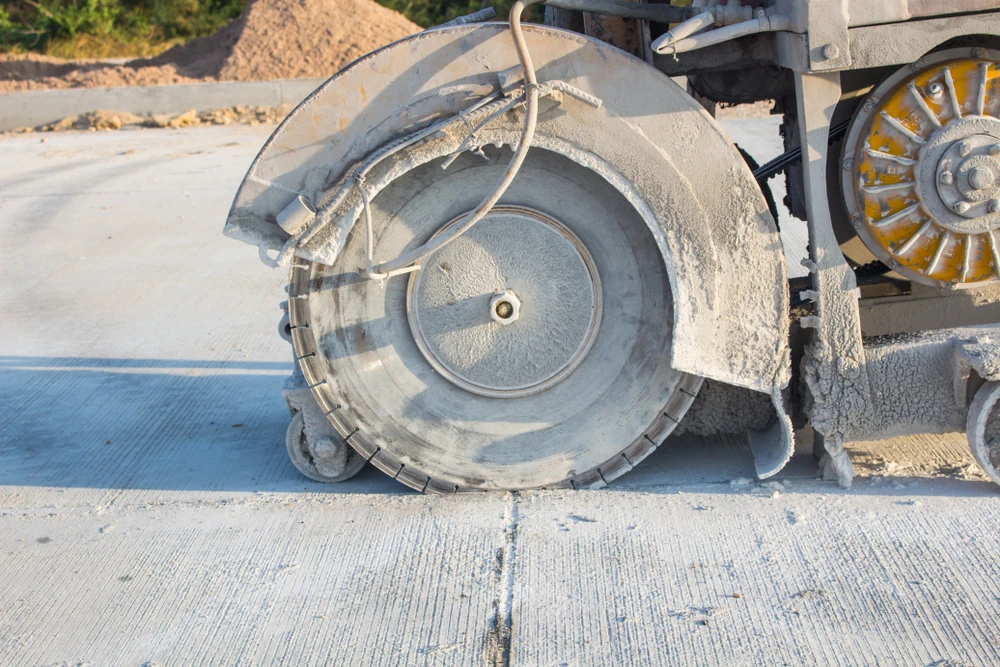
A correct joint layout is essential. Expansion joints and saw cuts must be correctly placed and cut to the right depth and timing so the slab can move in a controlled way rather than cracking randomly.
Concrete relies on the ground beneath it for support. If the subgrade is poorly compacted, mixed with organic material or becomes soft when wet, the slab can settle unevenly. This uneven support leads to cracks that often follow softer areas of soil or backfilled trenches.
In Maitland’s varied soils, from reactive clays to firmer gravels, changes in moisture content can also make the ground swell or shrink. Without suitable base preparation and correct slab thickness, this movement transfers directly into the concrete, creating cracks at weak points such as corners and around penetrations.
Proper site preparation, including removal of topsoil, compaction of the base and use of suitable subbase material, greatly reduces cracking from ground movement.
The way a concrete mix is proportioned has a direct impact on how likely it is to crack. The balance between cement, water, aggregates and additives controls how much the concrete shrinks, how strong it becomes and how it responds to temperature changes and loads. By carefully designing the mix for various climates and each specific application, professionals can reduce crack risk before the truck even leaves the plant.
Good mix design is not about making concrete as strong as possible at any cost. It is about achieving the required strength and durability while limiting shrinkage, controlling heat buildup and ensuring the concrete is workable enough to place and finish properly without resorting to excess water on site.
Too much water is one of the most common causes of cracking. Extra water makes concrete easier to place, but it also increases drying shrinkage. As that extra water leaves the slab, the concrete shrinks and the surface is put into tension, which can lead to shrinkage cracks.
The water-cement ratio should be carefully controlled to match the specified strength and exposure conditions. A lower water-cement ratio usually means:
To maintain workability without adding water, the mix may include plasticisers or high-range water reducers. This helps the concrete remain workable so it can be placed and compacted properly while still limiting shrinkage.
Aggregates make up most of the concrete volume, so their properties have a strong influence on cracking. Well-graded aggregates with an appropriate mix of sizes pack tightly and reduce the amount of paste needed to fill the gaps. Less paste means less shrinkage and a lower risk of cracking.
Hard, durable aggregates with low absorption minimise changes in volume as moisture conditions change. Poor or overly fine aggregates can increase water demand, which in turn raises shrinkage. Suppliers select aggregate sources and gradings that suit local conditions and performance requirements so that the mix remains stable and crack-resistant for driveways, house slabs and commercial projects in the region.
Higher cement contents can increase early strength, but they also increase the heat of hydration and shrinkage. In thick members, this extra heat can lead to thermal cracking as the concrete cools. Where appropriate, the company optimises cement content so that strength targets are met without unnecessary cracking risk.
Supplementary cementitious materials, such as fly ash and slag, can help reduce heat build‑up and improve long‑term durability. They often refine the pore structure, which limits water movement and associated cracking. Chemical admixtures such as shrinkage-reducing agents or set controllers may also be included in specialised mixes where joints are widely spaced or where temperature control is challenging. By adjusting these ingredients for each job, experts design mixes that actively limit crack formation rather than simply reacting to it on site.
How concrete is placed and what happens on site in the first hours and days has a major effect on whether it will crack. Even a high-quality mix can develop shrinkage cracks or surface crazing if it is placed poorly or allowed to dry too fast. Experts focus on both the mix and the site conditions to reduce these risks.
Heat, wind and sudden weather changes are common. Planning placement and curing around local conditions helps control moisture loss and temperature changes in the slab, which are two of the biggest drivers of early-age cracking.
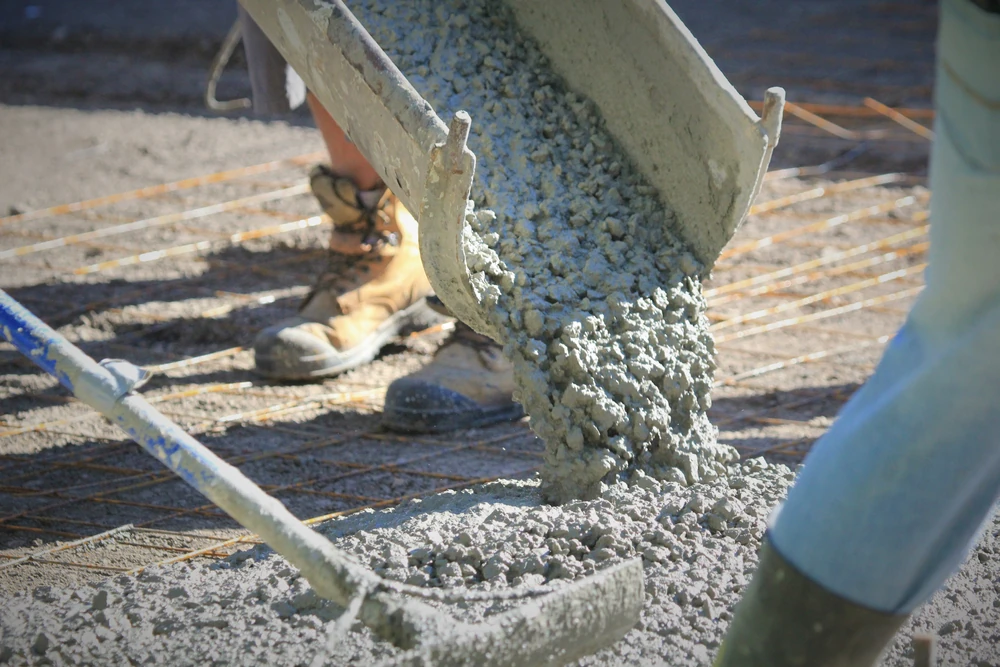
Correct placement starts with good access and preparation. Concrete should be discharged close to its final position to avoid excessive dragging or rehandling, which can separate coarse aggregate from the paste and create weak zones that crack.
Overworking the surface, especially with trowels or screeds, can bring too much water and paste to the top. This creates a dense, brittle surface layer that is more prone to plastic shrinkage cracks and later surface dusting. Finishing should only start after the bleed water has evaporated. Working the surface while it is still wet traps water and air and weakens the top layer.
Avoiding sudden changes in slab thickness and providing correct reinforcement or mesh support also helps reduce cracking. Where thicker pads or beams meet thinner slabs, stress can concentrate unless joints and steel are detailed and placed correctly.
Curing is simply controlling moisture and temperature so the concrete can gain strength gradually. Poor or skipped curing is one of the most common reasons for early cracking.
Good curing practices include:
In hot or windy conditions, concrete can lose moisture very quickly. If the surface dries while the core is still plastic, it shrinks and cracks. Starting curing promptly and maintaining it for at least 7 days for most structural work helps reduce both plastic and longer-term drying shrinkage.
Ambient temperature, wind speed, direct sun and even the temperature of the subgrade all influence cracking risk. Placing concrete in the heat of the day with strong wind across the slab greatly increases evaporation. This can lead to plastic shrinkage cracking within hours.
Plan pours for cooler parts of the day, providing shade or windbreaks where practical and pre-dampening dry subgrades and formwork so they do not pull water out of the mix. On cool or damp days, the risk shifts to slower strength gain, so traffic and loads must be kept off the concrete for longer to avoid microcracking.
By matching placement timing, curing methods and site setup to the actual conditions on the day, the risk of unwanted cracking can be reduced.
Reducing the risk of cracking starts well before the first truck arrives on site. The mix design, site preparation, placing method and curing all work together to control how much the concrete shrinks and How well it can accommodate movement and internal stress. Careful planning at each of these stages helps slabs and structural elements stay sound for longer.
The aim is not to remove every hairline crack, which is rarely possible, but to minimise their number, width and impact. With sensible planning and disciplined site practices, builders and homeowners can greatly reduce the risk of cosmetic or structural cracking.
A suitable mix design is the first defence against cracking. High cement content and low aggregate volume can increase shrinkage. To manage this, experts can recommend:
Where exposure conditions in the Maitland region are aggressive, such as coastal air or frequent wetting and drying, the mix may need improved durability while still controlling heat and shrinkage. Using water-reducing admixtures rather than simply adding more water on site helps maintain workability without increasing cracking risk.
Good subgrade preparation is crucial. The base should be uniform, firm and well-compacted with no soft spots or abrupt changes in stiffness. A thin layer of compacted crusher dust or sand usually provides a smooth, consistent surface and helps reduce restraint that can cause random cracking.
Thickness must be adequate and consistent. Thin sections crack more easily, especially at re-entrant corners around service penetrations or near rigid structures. Reinforcement or mesh should be supported on chairs so it sits in the correct position, rather than lying on the ground.
During placement, the concrete should be placed as close as possible to its final position and compacted without overworking the surface. Finishing too early while bleed water is still present can trap water at the top and create a weak, dusty surface prone to crazing and fine cracks.
Crack control joints tell the concrete where to crack in a controlled, straight line. For typical slabs, joints should be:
Curing keeps moisture in the concrete while it gains strength and shrinks more slowly. It should continue for at least 7 days for most structural elements and a minimum of several days for residential slabs and driveways.
The reality is that all concrete has the potential to crack, but cracking is not simply “bad luck” or an unavoidable consequence of building. Throughout this article, we have looked closely at why concrete cracks. We have also outlined the steps that reduce different risks. When these factors are understood and managed, cracking can be controlled. With planning, good communication and adherence, we can turn a material that is often misunderstood into one that consistently meets expectations and stands the test of time.
Call our friendly and highly experienced team today to get your concrete, sand, aggregate, and landscaping products.
-1.png)

